
Recovering from surgery, injury, or chronic illness often comes with one crucial responsibility and that is wound care. Proper Wound Care at Home is not just about keeping a bandage clean, it’s about creating the right conditions for healing while preventing infections that could delay recovery or cause serious complications.
This guide explains how home-based wound care works, what steps to follow, and why skilled nursing support from NY Home Health Care makes a critical difference.
The Importance of Wound Care
Wounds, whether minor or complex, are open doors to bacteria. Without proper attention, they can lead to severe infections such as cellulitis, sepsis, or tissue necrosis.
Wound Care at Home provides a safer, more comfortable recovery environment while reducing hospital visits and the risk of hospital-acquired infections.
Why does it matter?
- Protects against bacteria and contaminants.
- Encourages faster tissue repair.
- Reduces pain and discomfort.
- Promotes mobility and independence for patients recovering at home.
In many cases, proper wound care can mean the difference between a full recovery and a long-term health issue.
Types of Wounds that Need Home Care
- Surgical wounds after operations.
- Diabetic foot ulcers that need regular cleaning and monitoring.
- Pressure ulcers (bedsores) in bedridden patients.
- Traumatic wounds caused by injuries or accidents.
- Venous or arterial ulcers due to circulation problems.
Essential Steps for Safe and Effective Wound Care at Home
Follow these key practices:
Wash Hands Thoroughly
Always clean your hands before and after touching the wound. Use soap and warm water or a sanitizer with at least 60% alcohol.
Prepare a Clean Environment
Choose a well-lit area with a clean surface. Lay out sterile supplies (gauze, gloves, tape, antiseptic solution, etc.) before starting.
Clean the Wound Gently
Use sterile saline or the solution prescribed by your nurse. Never apply harsh chemicals unless directed.
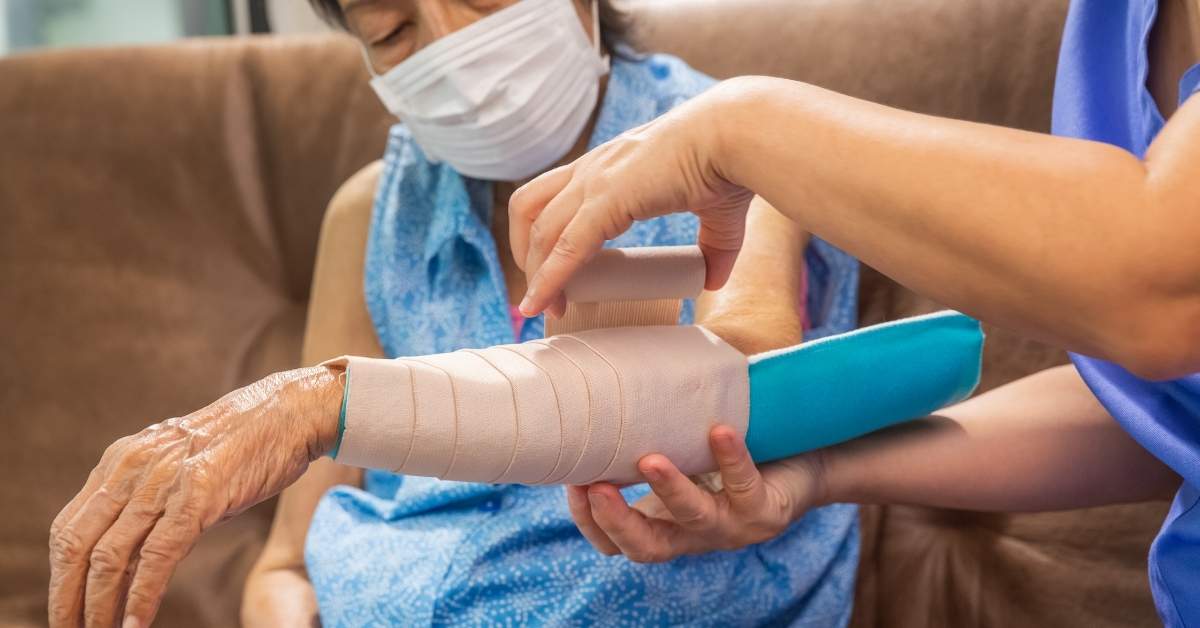
Apply the Right Dressing
Dressing type matters- some wounds need moisture, others need dry coverage. A professional nurse can identify the ideal one.
Change Dressings Regularly
Follow your nurse’s instructions on how often to replace bandages. Never reuse old dressings.
Monitor for Infection
Watch for redness, swelling, pain, pus, or foul odor. If these appear, contact your healthcare provider immediately.
Encourage Proper Nutrition
Protein, vitamin C, and hydration are key to wound healing. Malnutrition can delay recovery.
Promote Mobility
For bedridden patients, change positions every 2 hours to prevent pressure sores and improve circulation.
Common Mistakes to Avoid During Wound Care
Even small errors can slow healing or cause infection. Avoid:
- Touching the wound with unwashed hands.
- Using expired or non-sterile supplies.
- Over-tightening bandages.
- Ignoring early signs of infection.
- Relying on home remedies without consulting a nurse.
Remember- professional guidance saves both time and risk.
How Home Health Nurses Support Wound Care
A skilled nurse brings both clinical expertise and human compassion. Their care includes:
- Assessment of wound size, depth, and healing stage.
- Proper cleaning, debridement (if necessary), and dressing.
- Pain management and medication administration.
- Education for family caregivers.
- Regular documentation and communication with physicians.
Reasons to Choose NY Home Care Aid
At NY Home Care Aid, we understand that every wound tells a story of recovery, resilience, and healing. Our licensed nurses and caregivers specialize in Wound Care at Home. We serve patients across New York with compassion, precision, and dedication ensuring that home truly becomes a place of healing.