Foley Catheter Care at Home: Safety Tips for Seniors

Caring for a loved one who uses a Foley catheter can feel stressful at first, especially when you worry about infections or discomfort. But with the right steps, families in New York can manage foley catheter care at home safely and confidently. The goal is simple: keep the catheter clean, prevent complications, and make the senior feel comfortable throughout the day. How You Can Maintain Daily Hygiene Safely Daily hygiene is non-negotiable. Always wash your hands thoroughly before and after touching the catheter, drainage bag, or tubing. Use mild soap and warm water to clean the area around the insertion site every day. This keeps bacteria away and prevents irritation. Avoid using powders, lotions, or strong cleansers near the catheter because these can trigger infection or skin breakdown. How You Should Keep the Catheter Positioned Correctly The position of the catheter matters more than most people realize. Keep the drainage tubing straight- no bends, no kinks. A single kink can cause urine to back up, leading to bladder pressure and infections. Secure the catheter to your loved one’s thigh with a medical strap so it doesn’t pull or cause pain while walking or sleeping. Why You Must Monitor Urine Flow Throughout the Day A steady flow of urine is the easiest way to confirm that everything is working correctly. Check the drainage bag every few hours. If urine stops flowing, looks unusually dark, has blood, or releases a strong odor, treat it as a warning sign. Many infections start quietly early observation prevents bigger issues. How You Should Clean and Empty the Drainage Bag Properly Never allow the drainage bag to become more than two-thirds full. A heavy bag pulls on the catheter and increases infection risk. When emptying it, keep the spout from touching any surface, and clean the tip with alcohol wipes afterward. Rinse the bag daily with a mixture of warm water and a small amount of vinegar or mild soap to reduce bacterial growth. How You Can Prevent Infection with Simple Daily Habits Infections are the biggest concern with foley catheter care at home. Encourage your loved one to drink enough fluids unless a doctor has restricted intake. Proper hydration helps flush bacteria from the bladder. Maintain clean bed linens, avoid tugging on the catheter during dressing changes, and always keep the drainage bag below bladder level. When You Should Call a Nurse or Doctor Immediately Seek medical help right away if you notice fever, chills, abdominal pain, leakage around the catheter, foul-smelling urine, or sudden confusion. Seniors often show infection symptoms differently, so treat even small changes seriously. If the catheter gets dislodged or painful, never attempt to reinsert it yourself- call a professional. How Home Health Care Can Make Foley Catheter Care Safer For many families in New York, managing everything alone becomes overwhelming. A certified home health aide or nurse can assist with cleaning, monitoring, bag changes, infection prevention, and overall comfort. Professional support ensures seniors avoid complications and stay safe at home.
IV Therapy at Home in NYC: Safe, Professional, and Convenient
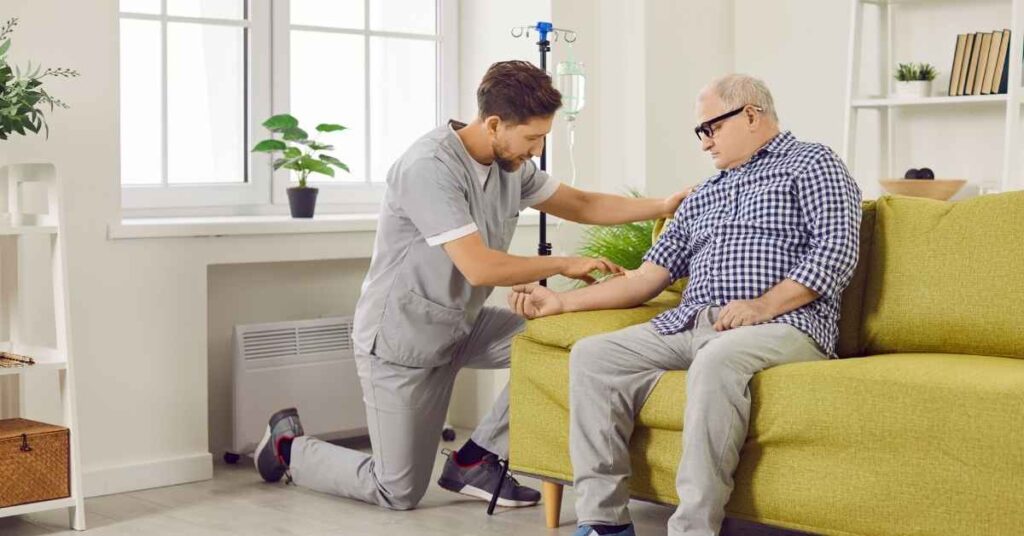
For many New Yorkers, getting IV treatments at home is no longer a luxury it’s a practical way to stay healthy without dealing with long clinic waits or the challenges of traveling across the city. IV Therapy at Home combines medical-level care with the comfort of your apartment, offering safety, convenience, and personalized support for those who need consistent hydration, medications, or nutritional infusions. Why does IV Therapy at Home Matter in NYC? New York City’s pace makes it hard for sick, recovering, or elderly individuals to move from one appointment to another. Add mobility limitations, chronic illness, or post-hospital recovery and traveling becomes stressful. Receiving IV care at home solves all of this by bringing a licensed professional directly to the patient’s residence, whether it’s a high-rise, townhouse, or assisted living environment. It helps with: How does IV Therapy Works? A trained, licensed nurse visits the home with all required equipment, evaluates the patient’s condition, sets up the IV safely, and monitors the entire session. What happens during a typical visit The entire process is controlled, sterile, and medically compliant. Safety Comes First IV therapy is safe only when handled by qualified clinicians. NYC families are increasingly choosing at-home IV care because the oversight is attentive, one-on-one, and performed without hospital-level exposure risks. Licensed nurses ensure: This minimizes complications and builds trust especially for seniors or medically fragile patients. Who Benefits Most from IV Therapy While anyone can appreciate the convenience, certain groups benefit the most: Home therapy reduces stress, saves time, and increases consistency which significantly improves outcomes. Why does IV Therapy Make Sense for NYC Living? New York is unique: traffic, crowded public spaces, unpredictable weather, and long clinic wait times create unnecessary barriers for vulnerable individuals. At-home IV therapy solves these issues by offering: For families balancing work, caregiving, and city life, this is a practical and reliable alternative. Integrating IV Therapy With Home Health Care IV Therapy at Home becomes even more effective when combined with regular home care services. Caregivers can support: The result is a complete circle of care that keeps patients healthier and more stable without leaving home. IV Therapy at Home in NYC provides a safe, professional, and highly convenient option for individuals who need medical infusions but prefer the comfort of home. With licensed nurses overseeing every step and a tailored approach to each patient’s needs, this service brings hospital-level care directly into the heart of your living space making recovery and wellness easier for families across New York City.
Wound Care at Home: Preventing Infections Safely
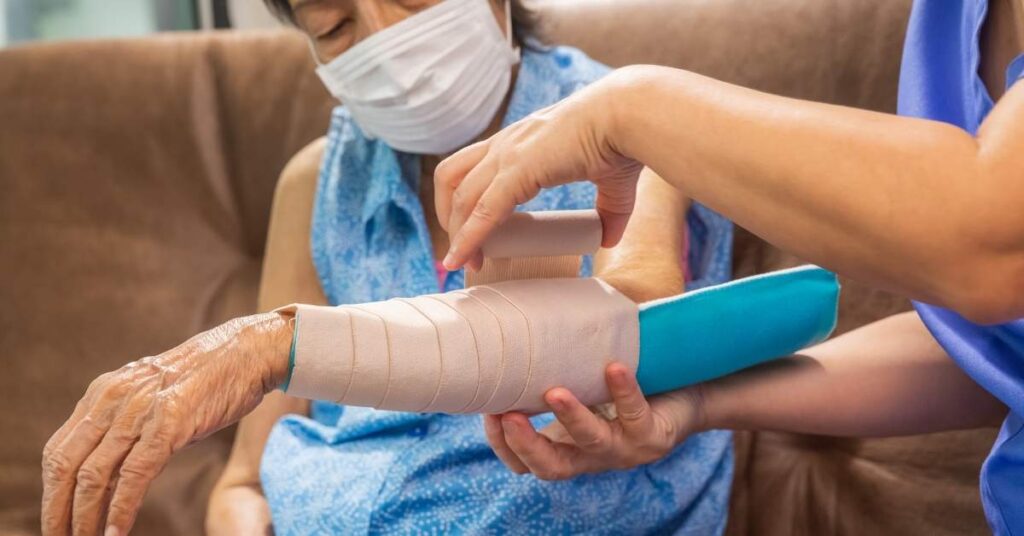
Recovering from surgery, injury, or chronic illness often comes with one crucial responsibility and that is wound care. Proper Wound Care at Home is not just about keeping a bandage clean, it’s about creating the right conditions for healing while preventing infections that could delay recovery or cause serious complications. This guide explains how home-based wound care works, what steps to follow, and why skilled nursing support from NY Home Health Care makes a critical difference. The Importance of Wound Care Wounds, whether minor or complex, are open doors to bacteria. Without proper attention, they can lead to severe infections such as cellulitis, sepsis, or tissue necrosis. Wound Care at Home provides a safer, more comfortable recovery environment while reducing hospital visits and the risk of hospital-acquired infections. Why does it matter? In many cases, proper wound care can mean the difference between a full recovery and a long-term health issue. Types of Wounds that Need Home Care Essential Steps for Safe and Effective Wound Care at Home Follow these key practices: Wash Hands Thoroughly Always clean your hands before and after touching the wound. Use soap and warm water or a sanitizer with at least 60% alcohol. Prepare a Clean Environment Choose a well-lit area with a clean surface. Lay out sterile supplies (gauze, gloves, tape, antiseptic solution, etc.) before starting. Clean the Wound Gently Use sterile saline or the solution prescribed by your nurse. Never apply harsh chemicals unless directed. Apply the Right Dressing Dressing type matters- some wounds need moisture, others need dry coverage. A professional nurse can identify the ideal one. Change Dressings Regularly Follow your nurse’s instructions on how often to replace bandages. Never reuse old dressings. Monitor for Infection Watch for redness, swelling, pain, pus, or foul odor. If these appear, contact your healthcare provider immediately. Encourage Proper Nutrition Protein, vitamin C, and hydration are key to wound healing. Malnutrition can delay recovery. Promote Mobility For bedridden patients, change positions every 2 hours to prevent pressure sores and improve circulation. Common Mistakes to Avoid During Wound Care Even small errors can slow healing or cause infection. Avoid: Remember- professional guidance saves both time and risk. How Home Health Nurses Support Wound Care A skilled nurse brings both clinical expertise and human compassion. Their care includes: Reasons to Choose NY Home Care Aid At NY Home Care Aid, we understand that every wound tells a story of recovery, resilience, and healing. Our licensed nurses and caregivers specialize in Wound Care at Home. We serve patients across New York with compassion, precision, and dedication ensuring that home truly becomes a place of healing.
Skilled Nursing Care at Home: Who Needs it and What’s Included?
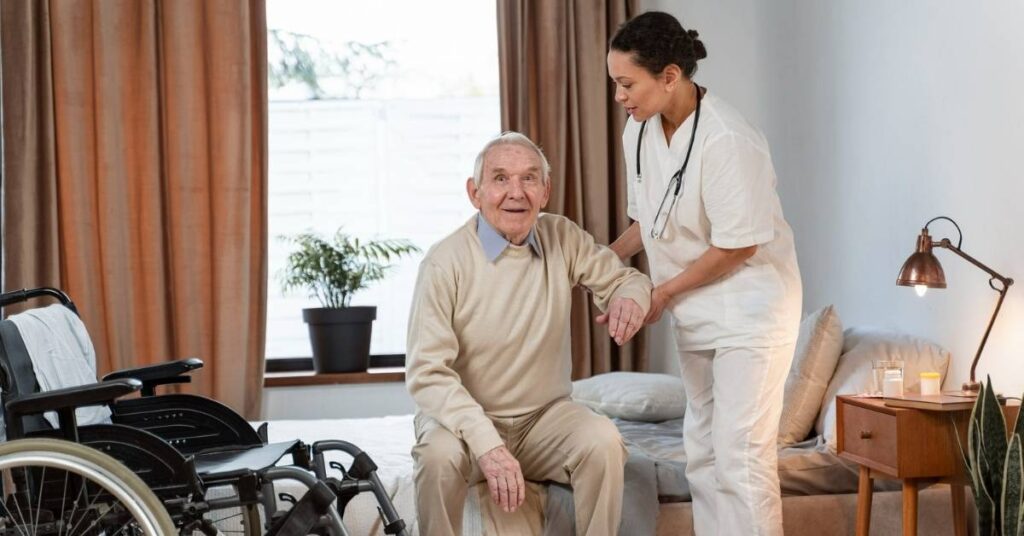
Skilled nursing care at home means licensed medical professionals usually Registered Nurses (RNs) or Licensed Practical Nurses (LPNs) bring advanced healthcare directly to a patient’s residence. It’s not simple assistance with bathing or cooking; it’s clinical care performed under a doctor’s order for patients needing continuous medical supervision, recovery support, or chronic disease management. This type of care bridges hospital and home life. It allows patients to receive hospital-level monitoring, procedures, and education in a familiar, comfortable setting often reducing stress and hospital readmissions. Why Choose Skilled Nursing at Home Instead of a Facility Many families in New York prefer in-home nursing care because it offers personalized attention and emotional stability that institutional settings often lack. For older adults or recovering patients, being at home supports faster healing, familiar routines, and stronger family involvement. In skilled nursing facilities, one nurse may oversee many patients. At home, a nurse focuses on one individual, following the care plan closely and detecting small changes before they become complications. Who Actually Needs Skilled Nursing Care at Home? 1. Post-Hospital and Post-Surgical Patients After a surgery, injury, or hospitalization, patients often need wound dressing, IV medications, or catheter care. A skilled nurse manages these procedures safely at home while coordinating updates with the physician. 2. Seniors with Complex Health Conditions Older adults managing heart disease, COPD, diabetes, or arthritis often benefit from skilled nursing care at home. The nurse monitors vitals, adjusts medications, and helps prevent emergency visits through early detection of symptoms. 3. People Living with Chronic or Degenerative Illnesses Patients with Parkinson’s, Alzheimer’s, or neurological disorders often require ongoing observation. A nurse ensures treatment compliance and comfort while educating family caregivers on safe routines. 4. Individuals Needing Specialized Medical Procedures Some people rely on medical devices or interventions such as feeding tubes, injections, or ostomy care that must be handled by licensed professionals. Skilled nurses manage these safely and hygienically within the home environment. 5. Patients Recovering from Serious Injury or Stroke Stroke survivors or trauma patients may need medication, muscle monitoring, or coordination with physical therapists. Skilled nursing care at home provides continuity between medical rehabilitation and daily living. What’s Included in Skilled Nursing Care at Home The exact services depend on the physician’s plan of care, but typically include: Wound Care: Dressing changes, infection checks, and healing assessments. IV Therapy and Injections: Administration of intravenous fluids, antibiotics, or pain medication. Catheter and Ostomy Care: Safe hygiene practices and equipment management. Medication Management: Preparing, timing, and educating patients on their prescriptions. Vital Signs and Medical Monitoring: Continuous assessment of blood pressure, heart rate, oxygen, and glucose levels. Chronic Disease Management: Daily observation for patients with cardiac, diabetic, or respiratory issues. Rehabilitation Support: Coordination with physical, occupational, or speech therapists for recovery. Patient and Family Education: Guidance on self-care, symptom tracking, and safety practices. Coordination with Physicians: Regular updates to doctors about patient progress and care adjustments. Unlike unlicensed aides, skilled nurses perform these services with clinical precision and are trained to identify subtle health changes requiring medical attention. How Skilled Nursing Care at Home Works in New York The process typically starts with a physician’s order for home health services. Once approved, a licensed agency assigns a registered nurse who performs an initial assessment at the patient’s home. During this visit, the nurse reviews medical history, medications, and daily routines to create a personalized plan of care. This plan may include scheduled visits several times a week, 24-hour supervision in critical cases, or short-term rehabilitation monitoring. All skilled nurses in New York must hold valid state licenses and follow the standards set by the New York State Department of Health. Many also coordinate closely with local hospitals or clinics to maintain continuity of care after discharge. For urban families, telehealth and remote monitoring are increasingly common. Nurses can use connected devices to track vitals or wound healing and send real-time updates to physicians combining human expertise with modern technology. Benefits Beyond Medical Treatment Skilled nursing care at home is not only about procedures; it also enhances mental and emotional well-being. Patients heal faster when surrounded by loved ones. Familiar surroundings reduce confusion in dementia or Alzheimer’s cases. Families also gain peace of mind knowing that a licensed nurse is observing their loved one regularly. For seniors who prefer independence, this approach preserves dignity while ensuring safety. At a system level, skilled home nursing reduces hospital overcrowding and healthcare costs while maintaining or even improving patient outcomes. Safety and Quality Standards in New York Home health agencies in New York are regulated by the New York State Department of Health. Nurses must maintain updated credentials, follow infection-control policies, and document every procedure. When choosing a provider, families should verify: Strong documentation and communication are part of skilled nursing’s foundation ensuring accountability and safety at every visit. The Future of Skilled Nursing Care at Home Healthcare in 2025 is increasingly home-based. With telemonitoring, wearable health devices, and AI-assisted care planning, skilled nursing is evolving beyond traditional bedside visits. Modern nurses in New York use digital records, remote sensors, and health analytics to track recovery trends and alert doctors instantly when changes occur. This integration of technology and compassion creates a more responsive, safer care model for patients at home. Skilled nursing care at home combines medical precision with personal comfort. It serves patients who require licensed clinical attention but prefer to recover or manage health conditions in their own homes. From post-surgical recovery to chronic disease management, it ensures continuity, dignity, and professional oversight right where healing feels most natural.
The Difference Between Home Health Care and Home Care

When families in New York begin exploring support options for aging parents or loved ones recovering from illness, two similar terms often appear – Home Health Care and Home Care. Though they sound alike, they mean very different types of support. Understanding these differences helps families choose the right service and avoid confusion when contacting agencies or checking insurance coverage. What is Home Health Care? Home Health Care provides medical assistance at home. It’s prescribed by a physician and performed by licensed professionals such as Registered Nurses (RN), Therapists, and Certified Home Health Aides (CHHA). In New York, home health care usually includes: Because these services involve medical procedures, they are often covered by Medicare, Medicaid, or private insurance if prescribed by a doctor. The focus is to help patients recover safely at home while avoiding unnecessary hospital visits. What is Home Care (Non-Medical Care)? Home Care, sometimes called personal care or companion care, is non-medical support. It focuses on helping seniors or disabled individuals with everyday activities- not medical treatment. Caregivers or personal care aides assist with: These caregivers do not perform medical tasks like wound dressing or injections. Instead, they ensure comfort, safety, and independence for clients who wish to remain at home. Home care services are typically private-pay (not covered by Medicare), but some New Yorkers may qualify for state Medicaid-funded programs such as CDPAP (Consumer Directed Personal Assistance Program), which allows family members to get paid for providing care. Key Differences: Home Health Care vs Home Care Home Health Care Home Care Home Health Aide vs Caregiver: Who does What? This is another common confusion among New York families. A Home Health Aide (HHA) is trained and certified to assist with both personal and limited medical tasks for example- taking vital signs, helping with medication reminders, or supporting a nurse’s care plan. A Caregiver provides companionship and daily living support but does not perform any medical duties. In short:Every Home Health Aide is a caregiver, but not every caregiver is a Home Health Aide. Why Understanding the Difference Matters for New York Families New York’s aging population is growing, and more seniors want to age in place- staying home instead of moving to a facility. Choosing the right service ensures your loved one receives appropriate, safe, and cost-effective care. Home health care and home care both share one goal- helping people live safely and comfortably at home. The difference lies in how much medical involvement is needed. Whether you choose a skilled nurse or a personal caregiver, ensure they are certified, compassionate, and trained under New York State regulations. That’s the best way to combine comfort, dignity, and professional excellence in your loved one’s daily care.
How to Choose the Right Home Health Care Agency in New York
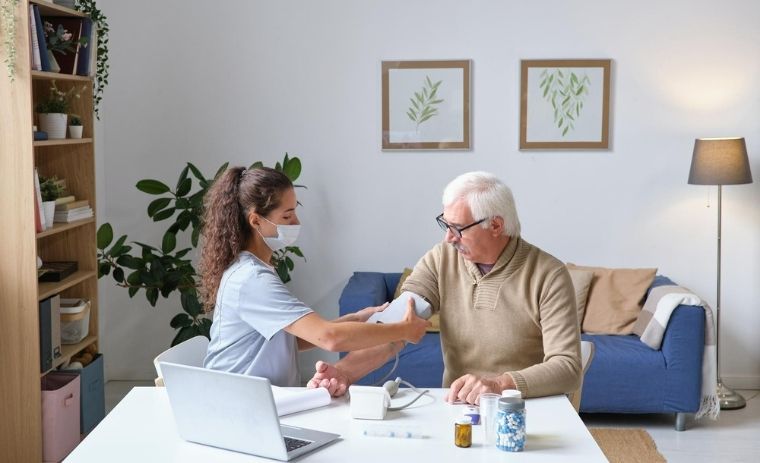
Choosing the right home health care agency in New York can feel confusing especially when you want the best care for yourself or a loved one. You need a team you can trust, with certified caregivers and skilled nurses who truly care. This guide will help you understand what to look for, what questions to ask, and how to find an agency that fits your family’s needs perfectly. Understand Your Care Needs Before you start comparing agencies, it’s vital to know exactly what kind of care is needed. Defining your needs helps you narrow down agencies that offer exactly what you’re looking for. Check Licensing and Certification In New York, home care agencies must be properly licensed or certified.Here’s what you should check: 1. The agency is a Licensed Home Care Services Agency (LHCSA) or a Certified Home Health Agency (CHHA) in NY. 2. They provide written proof of their license, certifications, and current standing. 3. They follow New York State regulations- this ensures accountability, proper training, and quality standards. Choosing an agency with the right credentials shows they meet official standards for professional care. Review Their Services & Specialties Make sure the agency offers the specific services you or your loved one need.Ask: Your care needs should match the agency’s service scope. Agencies that specialize in your required care are usually the better match. Ask About Staff Qualifications & Training The quality of care depends heavily on the people providing it. Here’s what to ask: Research shows that agencies with strong training, clear hiring processes and continual oversight deliver better outcomes. Evaluate Reputation & References You want an agency you can trust wholeheartedly. To gauge this: 1. Check online reviews, testimonials, and ask for family references. 2. Ask the agency for case studies or examples of clients with similar needs. 3. How long has the agency been in business? Agencies with longevity often have stronger systems in place. 4. Trust your instincts: Are they responsive, respectful and transparent when you speak with them? Understand Costs & Insurance Coverage Costs can vary widely depending on the level of care, time required, and whether services are covered by insurance. Here’s what to check: Understanding costs upfront helps avoid unpleasant surprises. Review Communication & Care Plan Process Good communication is a sign of a quality agency. Consider the following: An agency should make you feel informed, involved, and confident. Identify Red Flags Here are some warning signs to watch out for: Choosing the right agency means avoiding risk and ensuring peace of mind. Make Your Decision & Start with a Trial Period Once you’ve narrowed down your options: A trial helps confirm the fit and gives you confidence in your choice. Choosing the right home health care agency in New York is a critical decision. By understanding your needs, verifying credentials, reviewing services, checking staff quality, understanding costs, and monitoring communication, you set the stage for safe, reliable, and compassionate care. With careful selection, you’ll find the agency that supports independence, dignity, and peace of mind.
Early Signs of Dementia: What Families Should Watch For

Dementia can start quietly. In the beginning, families may think their loved one is just being forgetful or tired. But these small changes could be early signs that need attention. Understanding the early signs of dementia helps families take the right steps before it becomes harder to manage. What Is Dementia? Dementia is not one single disease. It’s a group of conditions that affect memory, thinking, and daily activities. Alzheimer’s disease is the most common type, but others exist too. Early detection allows seniors to get medical care, emotional support, and even special in-home care services that make life easier. 1. Frequent Memory Lapses It’s normal to forget where you left your keys. But with dementia, memory loss becomes more frequent and affects daily life. Your loved one might forget names, appointments, or conversations — even after gentle reminders. These consistent lapses can signal the start of cognitive decline. 2. Trouble Following Daily Tasks One of the earliest signs of dementia is struggling with familiar routines — like cooking a simple meal or paying bills. Tasks that once took minutes now take much longer. Families may notice hesitation or confusion during everyday activities. 3. Difficulty Finding Words If your loved one pauses often or uses the wrong word for simple things, it may indicate dementia-related language changes. Communication becomes frustrating both for the senior and family members trying to help. Clear speech support and home care assistance can make communication easier. 4. Getting Lost in Familiar Places A senior who once walked confidently around the neighborhood may suddenly get lost or confused about directions. This disorientation is one of the key early signs of dementia and can be dangerous without proper supervision or care. 5. Personality or Mood Changes You might notice unusual behavior a calm person becoming anxious, or a social senior withdrawing from friends. These emotional shifts often appear before major memory problems. Gentle companionship and personalized in-home care can help restore emotional balance. 6. Poor Judgment or Decision-Making People with dementia may start making poor decisions like leaving the stove on or giving away money carelessly. When these changes appear, it’s time to explore professional home care support to maintain safety and structure at home. Why Early Recognition Matters Detecting dementia early gives families time to plan. Medical treatments can slow progression, and professional caregivers can provide memory-focused activities, emotional support, and daily structure that improve quality of life. The earlier you act, the more comfort and independence your loved one can keep. How In-Home Care Can Help Trained caregivers can help with reminders, meal preparation, and companionship all tailored to dementia care. With in-home care, seniors stay safe in a familiar environment while families gain peace of mind. This approach reduces stress and preserves dignity, making it one of the best decisions for dementia-related support. Recognizing the early signs of dementia is an act of love. By paying attention and seeking help early, families can create a care plan that keeps their loved one comfortable, respected, and safe at home.
10 Hidden Advantages of Choosing Home Health Care for Seniors
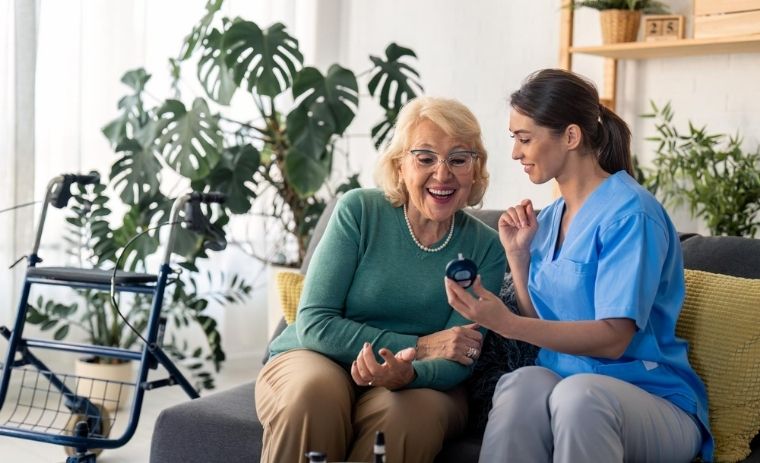
When our loved ones get older, we all want to keep them safe, happy, and comfortable. Many families in New York are discovering that home health care for seniors is one of the best ways to do that. Instead of moving to a nursing home, seniors can get care right at home. From emotional comfort to personalized care, home health care offers many hidden benefits that most people don’t realize at first. Let’s explore ten of those advantages that make home health care such a smart choice. 1. Healing happens best at home A familiar setting eases stress. A senior surrounded by familiar rooms, photos, and daily rhythms feels more comfortable. That sense of “this is my space” can reduce anxiety and promote better sleep and recovery. When people feel safe, their body and mind heal more naturally. 2. Care that grows with their needs Health changes over time. Home health care allows flexibility. Care plans are not fixed. Nurses, aides, and therapists adjust services as needs shift-whether more help with bathing, physical therapy, or medication management. This avoids rigid schedules and ensures the care stays relevant. 3. Maintain privacy and dignity In institutional settings, privacy is limited. At home, a senior can choose when to get help, how to dress, and how to live. These small choices matter. Home health care respects personal boundaries and helps preserve dignity during vulnerable moments. 4. Real emotional companionship Professional caregivers often become companions to talk to, share stories, and listen. This human connection combats loneliness and offers emotional support. Over time, that emotional bond can boost mood and overall well-being. 5. Better communication with family When care happens at home, family members are more involved. They see firsthand what’s going on, ask questions, and stay informed. Caregivers can update families in real time. This transparency builds trust and avoids surprises. 6. Familiar routines support mental balance Humans thrive on routine. By staying in their own home, seniors can keep habits- waking up at the same time, eating familiar foods, staying in favorite rooms. These routines support mental stability and reduce confusion, especially for seniors with conditions like dementia. 7. Tailored food & nutrition support At home, meals can be customized to taste, culture, and health needs. Caregivers can assist with grocery shopping, meal prep, or reminding about hydration. Nutrition matters for health recovery and personalized meal planning is easier in a home environment. 8. Safer movement & fall prevention Home health aides help make the home a safer place for seniors. They look for risks like loose rugs, poor lighting, or cluttered walkways and recommend simple fixes. Caregivers also provide hands-on support with walking, standing, or using mobility aids. These small steps greatly reduce the chance of falls and help seniors move with more confidence every day. 9. Fewer germs and infections Hospitals and care facilities have many people coming and going, increasing infection risks. Home care reduces those exposures. Plus, caregivers follow strict hygiene protocols when entering a home, helping keep the senior safe from contagious illnesses. 10. Peace of mind for the whole family Knowing loved one is safe, cared for, and comfortable gives families peace. You don’t have to worry about transportation, disruptions, or seeing “what’s changed” at visits. In New York, where life is fast, busy and having dependable, care at home is a relief. Choosing home health care for seniors is more than a convenient option. It’s a thoughtful decision that supports comfort, safety, and independence. It allows seniors to receive quality care while staying close to the people and places they love. From emotional support to personalized attention, these hidden advantages make home care a truly meaningful choice for families in New York and beyond.
Nursing Care Plan for Patient with Dementia: A Guide from New York Home Health Care

Dementia affects millions of families worldwide. It brings challenges not only for patients but also for caregivers. In New York, many families look to home health care for safe and personalized support. Creating a nursing care plan for patient with dementia is one of the most effective ways to provide structured and compassionate care. This guide will explain how a nursing care plan works, why it matters, and how families in New York can use it to keep loved ones safe at home. What Is a Nursing Care Plan for Patient with Dementia? A nursing care plan for patient with dementia is a written guide that outlines the daily needs, goals, and medical instructions for a dementia patient. It helps caregivers stay consistent and ensures patients get the right support. This plan covers physical, emotional, and cognitive care, making life safer and more manageable for the patient. Why Dementia Care Needs a Structured Plan? Dementia affects memory, communication, and behavior. Without a clear plan, caregiving can become stressful and confusing. A nursing care plan for patient with dementia provides direction. It helps nurses, and home health aides follow the same steps. This consistency improves safety, reduces stress, and ensures seniors live with dignity. Components of a Nursing Care Plan for Patient with Dementia A strong nursing care plan for patient with dementia usually includes: Assessment – Evaluating the patient’s health, memory, and daily needs. Diagnosis – Understanding the stage of dementia and related conditions. Planning – Creating a daily schedule for meals, medications, and activities. Implementation – Carrying out the care plan consistently. Evaluation – Reviewing and adjusting the plan as the patient’s needs change. This process ensures care remains effective and flexible. Emotional Support in Dementia Nursing Care Dementia not only affects memory but also emotions. Patients may feel lonely, confused, or frustrated. A nursing care plan for patient with dementia includes emotional care. Caregivers are encouraged to talk calmly, use familiar music, and engage patients in simple activities. These steps reduce anxiety and create comfort at home. Safety Measures for Dementia Patients at Home Safety is one of the biggest concerns in dementia care. The nursing care plan for patient with dementia highlights practical safety steps such as: Nutrition and Medication in Dementia Care Healthy eating and timely medication are vital. The nursing care plan for patient with dementia includes dietary instructions and medication reminders. Caregivers can prepare simple, balanced meals and keep a written chart of medicines. This routine ensures patients stay nourished and follow the doctor’s advice. Professional Support in New York NY Home Care Aid plays a major role in dementia support. We create customized nursing care plans for patients with dementia. Dementia care is challenging, but with the right guidance, families in New York can succeed. A nursing care plan for patient with dementia brings structure, safety, and comfort to daily life. By combining family love with professional support, New York home health care ensures seniors live with dignity and respect at home.