Compassion in Care: How Can Empathy Improve Patient Recovery?

Healing at home is not only about medicine or therapy. It is also about how a patient feels each day. When caregivers show empathy, patients feel safe, respected, and understood. This emotional comfort can reduce stress, build trust, and make it easier for patients to follow their care plan. Studies in patient-centered care show that strong emotional support and communication are linked with better participation, lower anxiety, and improved overall well-being during recovery. What does Empathy Mean in Daily Home Care? Empathy means understanding what the patient is going through and responding with patience and respect. It is not about feeling sorry for someone. It is about seeing their fear, pain, or frustration and adjusting your care in a supportive way. In home care, empathy shows in simple actions. It appears when a caregiver listens without rushing. It shows when instructions are explained calmly. It grows when the patient’s dignity is protected during bathing, dressing, or mobility support. These small actions build emotional safety, which supports Patient Recovery. Why can Empathy Improve Patient Recovery? Recovery requires effort from the patient. They must move, eat well, follow therapy, and stay mentally engaged. Empathy helps patients stay motivated to do these things. When patients feel stressed or anxious, their body often reacts with more pain, poor sleep, and low energy. Emotional support helps calm the mind, which can support physical healing. Research in healthcare communication shows that empathetic care is linked with lower stress and better patient experiences. Empathy also increases trust. When patients trust their caregiver, they are more willing to try exercises, follow routines, and report symptoms honestly. This honesty helps care teams adjust plans early, preventing setbacks. How can Caregivers Show Empathy Without Losing Structure? Empathy does not mean avoiding care tasks. It means guiding patients with respect while still completing necessary care. A caregiver can acknowledge feelings before asking for action. For example, if a patient feels afraid to walk after a fall, the caregiver can recognize the fear first and then suggest a short, safe attempt. This approach reduces resistance and builds confidence. Giving small choices also helps. When patients choose the time of an activity or how it is done, they feel more in control. This sense of control often improves cooperation and emotional stability during Patient Recovery. How does Communication Affect Healing? Clear and kind communication plays a major role in recovery. Patients often struggle when instructions feel confusing or rushed. When caregivers explain the reason behind each task in simple language, patients understand the value of participation. For example, explaining that a short walk helps prevent weakness or that breathing exercises improve lung strength makes the task meaningful. Understanding creates motivation, and motivation supports progress. What Happens When Patients Refuse Care? Refusal is common during recovery. It usually comes from fear, pain, fatigue, or emotional distress rather than stubbornness. An empathetic response can change the situation. When caregivers ask what feels difficult and then reduce the task into a smaller step, patients often become more willing. Progress may be slower, but it becomes consistent. Consistency is what drives Patient Recovery forward. How can Families Support Empathy in Home Care? Families play a strong role in emotional healing. When they speak calmly, avoid criticism, and celebrate small progress, patients feel encouraged rather than pressured. Simple daily conversations help. Asking how the patient feels, what worries them, or what made the day easier builds connection. Emotional reassurance from loved ones strengthens mental resilience, which supports physical healing. Why does Compassion Matter in Healing? Patient Recovery improves when care addresses both body and mind. Empathy reduces stress, builds trust, and encourages participation in daily care. These factors shape how well and how fast a patient heals at home. Compassion is not just kindness. It is a practical tool that strengthens outcomes, supports dignity, and makes the recovery journey smoother for everyone involved.
12 Home Safety Tips for Seniors
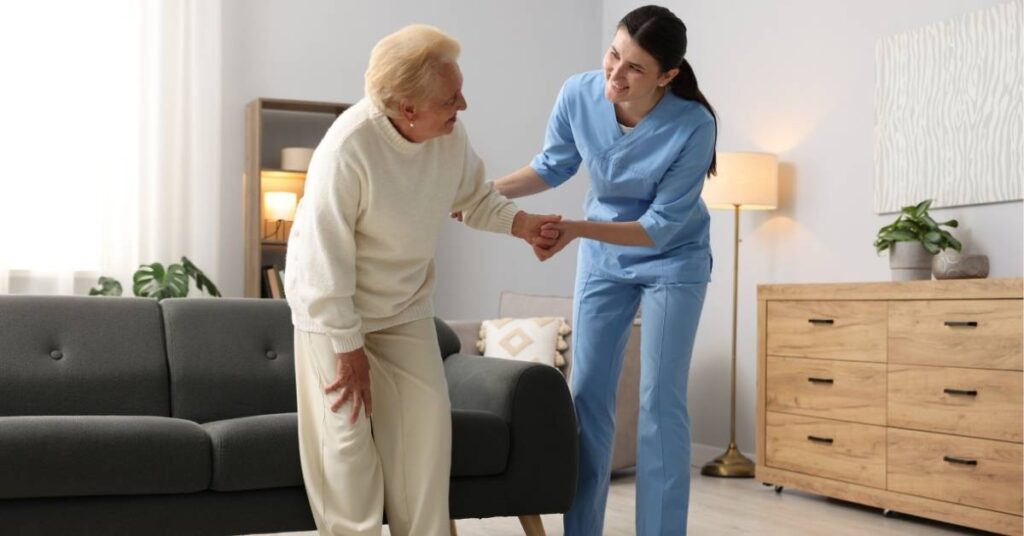
Staying at home can feel best, but it also comes with real risks. The biggest one is falling. Falls are the leading cause of injury for adults age 65 and older, and about 1 in 4 older adults report a fall each year. That’s why home safety tips for seniors are not “nice to have.” They are often the difference between independent living and a preventable injury. Below are 12 practical, proven changes families can make at home. They are simple, affordable in many cases, and they focus on the hazards that most often cause injuries. Why do home safety tips for seniors matter so much? A fall can lead to a broken hip, a serious head injury, or a long recovery. Falls can also cause fractures and head injuries, which can be especially dangerous for people taking blood thinners. The goal of home safety is to reduce hazards before something happens, not after. Can you start with the “biggest win” changes first? Yes. If you do nothing else, focus on fall prevention in walkways, bathrooms, and stairs. The National Institute on Aging highlights basics like strong lighting, removing loose rugs, and installing grab bars near the toilet and in the shower or tub. 1. Clear the Walking Paths Completely? Keep floors and hallways free from cords, small furniture, shoes, and clutter. A clear path to the bathroom at night is one of the most protective changes you can make. 2. Remove Throw Rugs or Lock Them Down Safely Loose rugs slide. If removing them feels hard, use strong non-slip backing and make sure the edges cannot curl up. The National Institute on Aging specifically flags area rugs as a fall risk. 3. Improve Lighting in Every Transition Area Dark spots cause trips especially near stairs, bedrooms, and bathrooms. Ensure bright, even lighting at the top and bottom of stairs and along hallways. 4. Add Night Lights for the Bathroom Route A soft night light in the bedroom, hallway, and bathroom lowers the chance of a misstep when someone wakes up groggy. 5. Make the Bathroom Non-slip And Grab-friendly Bathrooms are high-risk because water makes surfaces slick. Add grab bars near the toilet and in the tub/shower area, and use non-slip mats or strips where floors get wet. 6. Make Stairs Safer in Two Ways, Not One Stairs need both stability and visibility. Keep objects off stairs, repair uneven steps, and make sure there’s a light switch at the top and bottom (glow switches help). 7. Keep Daily-use Items Between Waist And Shoulder Height Reaching high shelves or bending low can throw off balance. Move the items used most (medicine, plates, toiletries) into the “easy reach” zone. 8. Check Footwear And Floor Grip at The Same Time Slippers without traction and socks on smooth floors are a bad mix. Choose supportive shoes or slippers with non-slip soles, and avoid walking in socks on slick surfaces. 9. Set Water Heater Temperature to Reduce Scald Risk Hot water burns happen fast and can be severe for older adults with thinner skin. The U.S. Consumer Product Safety Commission notes that a 120°F (49°C) setting may be needed to reduce the risk of most tap-water scald injuries. 10. Make Smoke And Carbon Monoxide Alarms a Routine Working alarms save lives, but only if they work today. NFPA guidance includes testing smoke alarms monthly and replacing alarms about every 10 years (follow the manufacturer date label). 11. Plan for Emergencies as If Mobility will be Limited Keep a phone within reach, store emergency numbers where they’re easy to see, and make sure exits are not blocked. If stairs are difficult, plan how someone would leave the home safely during a fire. 12. Review Medications and Dizziness Triggers with a Clinician Home safety is not only about the home. If someone feels dizzy, weak, or unsteady, the risk goes up even in a “perfect” house. Falls can cause serious injuries, and any head hit should be taken seriously especially with blood thinners. A medication review can uncover side effects that increase fall risk. When should you involve a home health professional in New York? If a senior has had even one recent fall, feels unsteady, avoids stairs, or struggles with bathing safely, it’s time to treat this as a health issue not just a home issue. A New York home health care team can help identify practical hazards, recommend safer routines, and support recovery after illness or hospitalization, so home remains a safe place to live. If you want, tell me whether your audience is NYC, Long Island, Westchester, or Upstate then I’ll tailor the examples and wording to fit that local context while keeping the same keyword focus.
7 Signs Your Loved One Needs Skilled Nursing Care
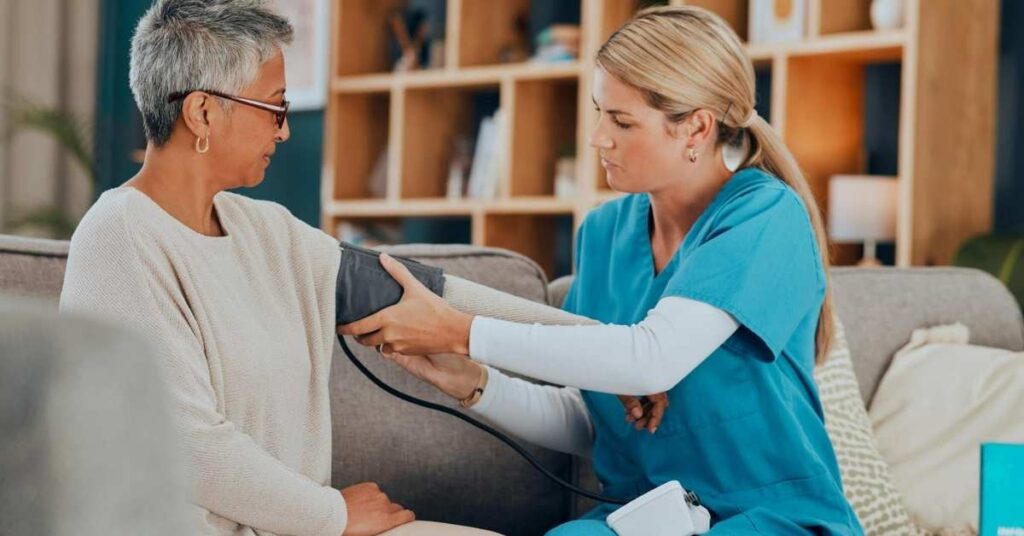
When someone you love is getting weaker or sicker, families often try to “do a little more” at home. That can work for a while. But there is a point where basic help is not enough, and a nurse needs to be involved. Skilled nursing care means care given by a licensed nurse, like an RN or LPN, under a doctor’s plan. It is medical care, not just help with meals or housekeeping. Skilled nursing can be provided at home through a certified home health agency when care is part-time or “intermittent,” not 24/7. So how do you know when it is time? Here are seven clear signs. What is Skilled Nursing Care? Skilled nursing care is medical care that requires a trained nurse. It often includes things like wound care, injections, IV medications, catheter care, monitoring health changes, and teaching the patient and family how to manage an illness safely. If your loved one needs daily skilled care after a hospital stay, a Skilled Nursing Facility (SNF) may be recommended. Medicare also has specific rules for SNF coverage, and it requires daily skilled care provided by or under supervision of skilled staff. Why is This Decision Important? Waiting too long can lead to falls, infections, medication mistakes, or repeat hospital trips. For older adults, falls alone can be very serious and are a major cause of emergency visits and deaths. Now let’s get practical. 1. Are Chronic Health Problems Becoming Hard to Manage? If your loved one has conditions like heart failure, COPD, diabetes, or severe weakness, the daily care can get complicated. When symptoms keep changing, families often struggle to know what is normal and what is dangerous. Skilled nursing care can help by checking for warning signs early, tracking symptoms, and coordinating with the doctor so problems do not spiral. 2. Are Hospital or ER Visits Becoming Frequent? If your loved one is going back to the hospital often, that is not “bad luck.” It usually means the care plan at home is not strong enough yet. After a hospital stay, some people need close follow-up, skilled observation, and help managing treatments to avoid going right back. Skilled nursing support is often part of the step-down plan after hospitalization, either at home (when appropriate) or in a SNF (when daily skilled care is needed). 3. Is Around-the-Clock Monitoring Starting to Feel Necessary? This is a big turning point. If you are worried about breathing problems at night, sudden confusion, unsafe wandering, or a fast medical decline, it may feel like someone has to be “on alert” all the time. Home health skilled nursing under Medicare is not meant to be 24-hour care, and Medicare is clear that it does not pay for 24-hour-a-day care at home. When true 24/7 monitoring is needed, families should talk with the doctor about the safest care setting, which may include a facility that provides 24-hour nursing care. 4. Are Everyday Activities Becoming Unsafe? If getting out of bed, walking to the bathroom, bathing, or transferring from a chair is becoming risky, injuries can happen fast. One fall can change everything. This matters because falls are common and can cause head injuries and broken bones, and older adults should be checked after a head impact. Skilled nursing can work alongside therapy and the care team to reduce risk and improve safety planning. 5. Are Medications Being Missed, Mixed Up, or Refused? Medication problems are one of the most common hidden reasons families end up in the ER. The warning signs are easy to miss at first, like pills left in organizers, confusion about doses, or doubling up “by accident.” Transitions home after a hospital stay can be a high-risk time for medication problems in older adults.A nurse can do medication reconciliation, monitor side effects, and teach a simple routine that is actually workable. 6. Is Memory Loss Creating Serious Safety Risks? Forgetfulness alone is not the full story. The real issue is safety. If your loved one wanders, forgets where they are, leaves the stove on, falls for scams, or cannot manage toileting and hygiene safely, the risk level has changed. The Alzheimer’s Association notes that wandering is common in dementia and can be dangerous, even life-threatening. Skilled nursing care can support medical needs, while the family and care team decide what setting can keep the person safest. 7. Is Caregiver Burnout Starting to Show Up? This is the sign families try to hide. If caregiving is causing sleep loss, depression, constant stress, missed work, or relationship strain, that is not a personal failure. It is a signal that the care needs are beyond what one person can safely carry. The National Institute on Aging explains that caregivers can face higher risks of stress-related health problems and sleep issues, and they need support and self-care too.When the caregiver breaks down, the whole care plan breaks down. Skilled support protects everyone. What Should You Do Next? Start with a medical conversation, not a family argument. Ask the doctor directly: “Does my loved one need skilled nursing services right now?” If the answer is yes, request an evaluation. If home-based skilled nursing is appropriate, a Medicare-certified home health agency can provide intermittent skilled nursing under a care plan. If daily skilled care and constant supervision are required, ask about SNF-level care and what the next safest step should be. If your loved one is getting weaker, going to the ER often, struggling with medications, or becoming unsafe at home, skilled nursing care may be the missing piece. The earlier you bring in the right medical support, the more options you have. Talk with the doctor, request an evaluation, and choose the safest level of care for today, not the one you wish was enough.
5 Steps to Reduce Hospital Readmissions
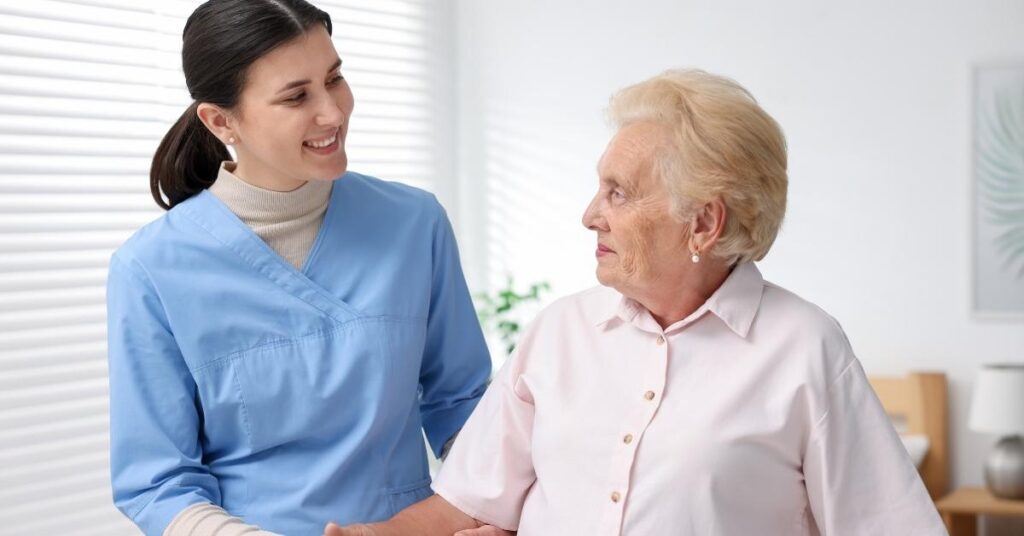
Hospital readmissions often happen within the first 30 days after discharge, when patients are adjusting to new medications, care routines, and physical limits. Many of these readmissions are preventable when the transition from hospital to home is managed properly. If your goal is to Reduce Hospital Readmissions, the following five steps focus only on what truly matters. 1. A Clear Discharge Plan A clear discharge plan ensures the patient and family understand what to do at home. This includes knowing the diagnosis in simple terms, understanding new medications, and recognizing warning signs that require medical attention. When instructions are confusing or rushed, small issues often turn into emergencies. Reviewing the discharge plan carefully before leaving the hospital reduces this risk. 2. Early Follow-Up Delays in follow-up appointments leave patients without guidance during the most vulnerable period of recovery. Seeing a primary care provider or specialist within one to two weeks helps catch complications early. Home health visits or follow-up calls during the first few days after discharge also help prevent problems from escalating. 3. Medication Management Medication errors are a common reason patients return to the hospital. Changes made during hospitalization can be confusing, especially when old and new prescriptions overlap. Reviewing medications at home, confirming correct doses, and taking them on schedule reduces side effects and complications. Home health nurses often identify medication issues early and communicate with physicians to correct them. 4. Home Health Monitoring Home health care provides skilled monitoring in the patient’s own environment. Nurses watch for early signs of infection, breathing difficulty, fluid buildup, or wound complications. Addressing these concerns quickly often prevents emergency room visits. Regular assessments during recovery help keep care on track and support safe healing at home. 5. Home Safety And Daily Support Falls, poor nutrition, and lack of daily support frequently lead to avoidable readmissions. A safe home environment, help with daily activities, and proper nutrition support reduce physical stress during recovery. When patients feel supported and safe at home, they are less likely to experience setbacks that require hospitalization. How Can Home Health Care Help Reduce Hospital Readmissions? Home health care plays a critical role in bridging the gap between hospital and home. By supporting follow-up care, medication management, symptom monitoring, and daily safety, home health services help patients recover safely and confidently. These focused steps are often enough to Reduce Hospital Readmissions and improve long-term health outcomes for New York patients and families.
How is Home Health Care for Disabled Adults in New York Supporting Independent Living?

Living with a disability as an adult often brings daily challenges that go far beyond medical needs. From personal care to mobility support and health monitoring, many disabled adults require consistent assistance but not everyone wants or needs to live in a facility. This is where Home Health Care for Disabled Adults becomes a life-changing solution in New York. For families navigating care decisions, understanding how home health care works, who qualifies, and what services truly help is critical. This guide explains everything clearly, without confusion or sales pressure. What is Home Health Care for Disabled Adults in New York? Home health care for disabled adults is a structured system of medical and non-medical support provided directly in a person’s home. It is designed to help adults with physical, cognitive, or developmental disabilities live safely, maintain dignity, and stay as independent as possible. Unlike institutional care, home health care adapts to the individual’s daily routine. Care plans are personalized, flexible, and often coordinated with doctors, therapists, and family members. In New York, these services are commonly used by adults with mobility limitations, neurological conditions, chronic illnesses, or long-term disabilities that affect daily functioning. Who Can Benefit From Home Health Care for Disabled Adults? Disabled adults may need home health care at different stages of life, not only during severe medical events. Many individuals seek care to prevent decline rather than respond to emergencies. Adults with physical disabilities often benefit from assistance with bathing, dressing, transferring, and mobility. Those with intellectual or developmental disabilities may need supervision, routine support, and help with daily structure. Individuals managing chronic conditions such as multiple sclerosis, cerebral palsy, or spinal cord injuries often rely on skilled nursing or therapy services at home. Home health care is especially valuable when family caregivers are overwhelmed or unavailable full-time. How are Medical and Non-Medical Services Combined at Home? One of the strongest advantages of Home Health Care for Disabled Adults is the ability to combine medical and non-medical care under one coordinated plan. Medical services may include skilled nursing, medication management, wound care, and health monitoring. These services are often ordered by a physician and provided by licensed professionals. Non-medical support focuses on daily living. This includes personal care, meal preparation, light housekeeping, companionship, and assistance with transportation or errands. While these tasks may seem simple, they are essential for maintaining stability and independence. When both types of care work together, disabled adults experience fewer hospital visits and better quality of life. How does Home Health Care Support Independent Living? Independence does not mean doing everything alone. For disabled adults, independence means having the right level of support without losing control over daily life. Home health care allows individuals to stay in familiar surroundings, follow their own schedules, and make personal choices. This sense of control improves emotional well-being and confidence, which are often overlooked aspects of disability care. Caregivers assist without taking over. The goal is not dependency, but empowerment helping individuals do what they can, safely and consistently. What Role Does Medicaid Play in Home Health Care for Disabled Adults? In New York, Medicaid plays a major role in making home health care accessible. Many disabled adults qualify for Medicaid-funded programs that cover in-home services, reducing or eliminating out-of-pocket costs. Programs may include personal care services, home health aides, skilled nursing, and consumer-directed options where individuals choose their own caregivers, sometimes even family members. Understanding eligibility rules can be confusing, but the right home health care agency can guide families through assessments, paperwork, and approvals. How are Care Plans Created for Disabled Adults at Home? Effective home health care always begins with a proper assessment. Professionals evaluate medical needs, functional limitations, home safety, and personal goals. Care plans are not static. They are reviewed regularly and adjusted as conditions change. If mobility improves, care may shift toward independence training. If health declines, additional support can be added quickly. This flexibility is one reason home health care works so well for adults with long-term disabilities. Is Home Health Care the Right Long-Term Solution for Disabled Adults? For many adults, the answer is yes. When care is personalized, properly managed, and regularly reviewed, home health care becomes a sustainable long-term solution rather than a temporary fix. It reduces caregiver burnout, supports independence, and allows disabled adults to live life on their own terms. Home health care for disabled adults is not just about assistance, it is about enabling dignity, stability, and control. In New York, families have access to programs and services that truly make independent living possible when guided by the right professionals.
How to Qualify for Home Health Care Under NY Medicaid
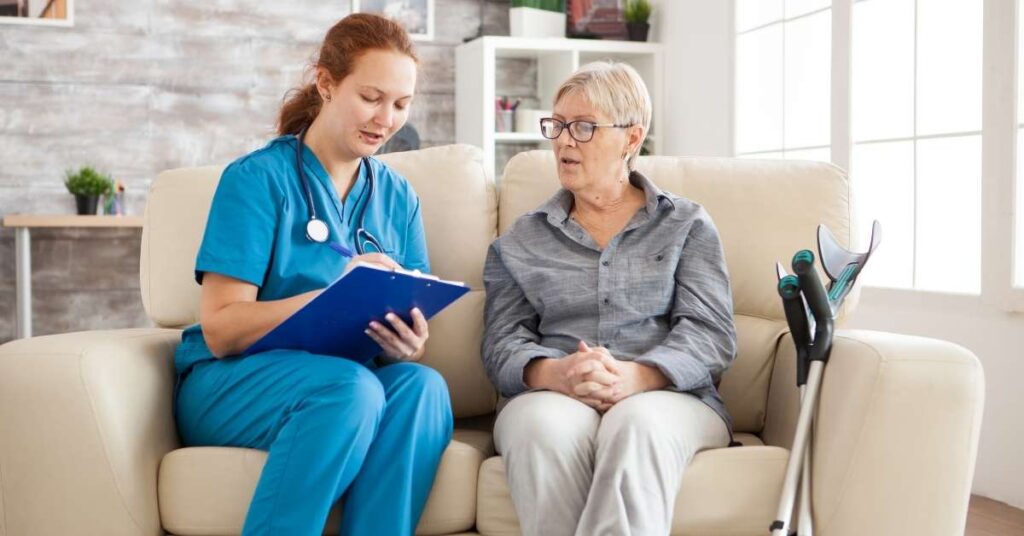
Caring for an aging parent or a loved one with a disability in New York can quickly become overwhelming financially and emotionally. Home Health Care Under NY Medicaid exists to reduce that burden by covering in-home care services for eligible residents. But here’s the hard truth: most families don’t fail because they’re ineligible; they fail because they don’t understand how qualification actually works. Let’s break this down from first principles and turn a confusing system into a clear, practical roadmap you can act on immediately. What is Home Health Care Under NY Medicaid? Home Health Care Under NY Medicaid is a state-funded benefit that pays for medically necessary care delivered in a patient’s home instead of a hospital or nursing facility. It is administered through New York Medicaid and local managed care plans. This care is not “basic help only.” It can include skilled medical services and long-term personal care, depending on need and eligibility. Who can Qualify for Home Health Care Under NY Medicaid? To qualify, an individual must meet three non-negotiable criteria. Miss even one, and the application stalls. Is Residency and Citizenship Status Required? Yes. The applicant must live in New York State and be a U.S. citizen or a qualified non-citizen. Proof of address and immigration status is mandatory during enrollment. Are Financial Eligibility Limits Applied? Yes, this is where many families panic unnecessarily. NY Medicaid looks at: Many people assume they’re disqualified due to income when legal Medicaid planning strategies could still make them eligible. Is Medical Necessity Strictly Evaluated? Absolutely. Medicaid does not approve care based on age alone. A licensed medical professional must confirm that the individual needs assistance with daily living or skilled medical care at home. What Medical Conditions Are Considered Eligible? Eligibility depends on functional limitation, not diagnosis alone. However, approval is common when conditions affect daily independence. Are Chronic Illnesses Commonly Approved? Yes. Conditions like diabetes complications, heart disease, COPD, and arthritis often qualify when they limit mobility or self-care. Are Cognitive Conditions Accepted? Yes. Alzheimer’s disease, dementia, and Parkinson’s disease are frequently approved because they impair judgment, memory, and safety at home. Are Post-Hospital Patients Eligible? Yes. Individuals recovering from surgery, stroke, or serious illness often qualify for short-term or long-term home health services to prevent readmission. What Types of Home Health Services are Covered? Coverage depends on the care plan approved after assessment. Are Skilled Nursing Services Included? Yes. Registered nurses may provide medication management, wound care, injections, and health monitoring. Are Home Health Aides and Personal Care Aides Covered? Yes. Medicaid often covers assistance with: Can Family Members Become Paid Caregivers? In many cases, yes. Through Medicaid consumer-directed programs, a family member (excluding certain relatives) may be approved as a paid caregiver. How Does the Assessment Process Work? This step determines how much care is approved not just if care is approved. Is a Medical Assessment Required? Yes. A doctor’s order and clinical documentation are required to confirm medical necessity. Is a Home Assessment Conducted? Yes. A nurse or assessor evaluates the individual’s ability to perform Activities of Daily Living (ADLs) such as bathing, eating, and moving safely. Does the Assessment Affect Hours of Care? Directly. The more assistance needed, the more weekly care hours may be authorized. How Can You Apply for Home Health Care Under NY Medicaid? The application path matters. One wrong turn can delay care for months. Should You Apply Through Medicaid First? Yes. Medicaid eligibility must be approved before home care services are authorized. Should You Enroll in a Medicaid Managed Care Plan? In most cases, yes. Managed Long Term Care (MLTC) plans coordinate assessments, caregivers, and service hours. Should You Work With a Home Care Agency? Absolutely. Agencies help navigate documentation, assessments, and caregiver placement often preventing costly delays. What Common Mistakes Delay Approval? Let’s pressure-test reality. These are the mistakes that silently kill applications. Is Incomplete Medical Documentation a Problem? Yes. Missing doctor notes or vague diagnoses often lead to denial or reduced care hours. Does Misreporting Income or Assets Cause Delays? Yes. Inconsistent financial information triggers reviews and verification requests. Does Waiting Too Long After Hospital Discharge Hurt Approval? Yes. Timing matters. Applying early increases approval odds and care continuity. How Can Families Increase Approval Chances? Strategic preparation beats emotional urgency every time. Should Medical Records Be Organized in Advance? Yes. Clear documentation of limitations and care needs strengthens approval. Should Professional Guidance Be Used? Yes. Home care agencies and Medicaid planners understand system nuances most families don’t. Should You Advocate During the Assessment? Yes. Be honest and detailed about daily struggles downplaying needs often reduces approved care hours. Why Does Home Health Care Under NY Medicaid Matter for Families? At its core, Home Health Care Under NY Medicaid is not just a benefit. It’s a safety net that allows loved ones to remain at home with dignity, stability, and professional support. Families who understand the system early avoid burnout, financial strain, and unnecessary nursing home placement. If you’re considering Home Health Care Under NY Medicaid, don’t ask “Do we qualify?”Ask “How do we qualify efficiently, correctly, and with maximum support?” That mindset shift is the difference between months of frustration and timely, life-changing care.
How Can Parkinson’s & Stroke Recovery at Home Help Regain Strength Daily?

Living with Parkinson’s disease or recovering from a stroke is not a short-term challenge. It is a daily process that requires consistency, patience, and the right support system. Parkinson’s & Stroke Recovery at Home allows New York residents to rebuild strength, balance, and confidence in a familiar environment while receiving structured care designed for real-life needs. Home-based recovery is not about doing less. It is about doing the right things, every day, where progress matters most. Why Is Parkinson’s & Stroke Recovery at Home Important for Daily Progress? Hospital and rehab centers provide critical early treatment, but long-term recovery happens at home. Parkinson’s & Stroke Recovery at Home ensures that exercises, safety routines, and care strategies continue consistently instead of stopping after discharge. Daily repetition in a home setting strengthens muscle memory, improves coordination, and reduces anxiety. Patients often feel more motivated when recovery happens in their own living space rather than a clinical environment. How Can Mobility Be Improved Through Parkinson’s & Stroke Recovery at Home? Mobility challenges are common after stroke and as Parkinson’s progresses. Parkinson’s & Stroke Recovery at Home focuses on safe movement techniques tailored to the home layout. Caregivers help patients practice walking, standing, turning, and transferring using furniture and pathways they use every day. This practical approach lowers fall risk and builds functional strength. Over time, even small daily improvements add up to meaningful independence. How Can Daily Exercises Support Parkinson’s & Stroke Recovery at Home? Recovery exercises work best when they are simple, consistent, and supervised. Parkinson’s & Stroke Recovery at Home integrates gentle strength training, balance exercises, and flexibility routines into daily schedules. Instead of overwhelming sessions, patients practice short, repeated movements throughout the day. This method reduces fatigue while improving muscle control and endurance, especially for tremors, stiffness, and weakness. Why Is Skilled Nursing Valuable in Parkinson’s & Stroke Recovery at Home? Medical needs do not disappear after leaving the hospital. Parkinson’s & Stroke Recovery at Home often includes skilled nursing support to manage medications, monitor blood pressure, assess neurological changes, and watch for complications. Skilled nurses also educate families on symptom changes, medication timing, and warning signs that require medical attention. This oversight protects progress and prevents avoidable setbacks. How Can Speech and Swallowing Improve With Parkinson’s & Stroke Recovery at Home? Speech and swallowing difficulties affect many Parkinson’s and stroke patients. Parkinson’s & Stroke Recovery at Home supports daily communication practice and safe eating routines recommended by therapists. Caregivers reinforce speech exercises, encourage slow and clear communication, and help maintain proper posture during meals. These daily habits improve confidence and reduce risks such as choking or malnutrition. How Can Daily Routines Be Structured Through Parkinson’s & Stroke Recovery at Home? Recovery depends heavily on routine. Parkinson’s & Stroke Recovery at Home creates predictable schedules for waking, medication, meals, exercise, and rest. Structure reduces confusion, improves sleep quality, and stabilizes energy levels. Clear routines also help caregivers identify changes quickly, making it easier to adjust care plans before problems escalate. Why Can Emotional Support Matter in Parkinson’s & Stroke Recovery at Home? Emotional health directly affects physical recovery. Parkinson’s & Stroke Recovery at Home provides companionship, encouragement, and reassurance during a challenging phase of life. Feeling supported reduces depression, anxiety, and frustration. Positive emotional engagement improves motivation, which is essential for maintaining daily recovery activities over the long term. How Can Families Be Supported Through Parkinson’s & Stroke Recovery at Home? Family members often carry the emotional and physical burden of care. Parkinson’s & Stroke Recovery at Home shares that responsibility with trained professionals. Families receive guidance, respite, and clear communication about progress and expectations. This partnership prevents caregiver burnout while ensuring patients receive consistent, high-quality support. How Can New York Residents Start Parkinson’s & Stroke Recovery at Home? Starting Parkinson’s & Stroke Recovery at Home usually begins with a medical referral or post-hospital discharge plan. Services are tailored to individual needs, mobility levels, and health conditions. Many New York residents may qualify for home health services through insurance or state-supported programs. Early enrollment leads to better outcomes by maintaining momentum during the most critical recovery period. Why Should Daily Recovery Not Be Delayed at Home? Delaying structured support often results in muscle loss, increased fall risk, and emotional decline. Parkinson’s & Stroke Recovery at Home prioritizes daily action over waiting for problems to appear. Recovery is not linear, but consistency makes progress sustainable. Parkinson’s & Stroke Recovery at Home empowers New York patients to regain strength, protect independence, and rebuild confidence one day at a time. With skilled care, daily routines, and emotional support delivered at home, recovery becomes practical, personal, and achievable.
Palliative Care vs Hospice Care vs Home Care: What’s the Difference?
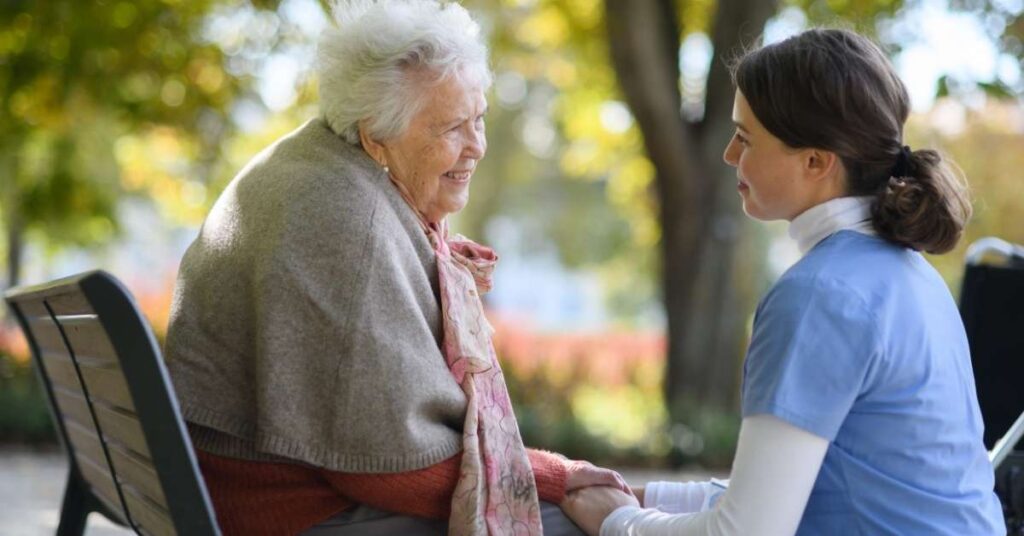
When someone you love needs extra care, the words used in healthcare can feel overwhelming. Many families in New York hear terms like palliative care, hospice care, and home care and assume they all mean the same thing. In reality, each one serves a different purpose at different stages of life and health. Understanding palliative care vs hospice care vs home care makes it easier to choose the right support without confusion or unnecessary stress. Palliative Care is Supporting Comfort While Treatment Continues Palliative care is for people who are living with serious or long-term illnesses but are still receiving medical treatment. The goal is not to replace treatment, but to make life more comfortable during it. This type of care focuses on reducing pain, managing symptoms, and easing emotional strain. In New York, palliative care often involves a specialized care cluster where doctors, nurses, and support staff work together. This team helps patients feel better day-to-day while they continue therapies, medications, or procedures recommended by their doctors. Hospice Care is Focusing on Comfort at the End of Life Hospice care is meant for people who are nearing the end of life and are no longer receiving curative treatment. At this stage, the focus shifts away from recovery and toward comfort, peace, and dignity. Hospice teams help manage pain, breathing difficulty, anxiety, and other symptoms. They also support family members emotionally during a very difficult time. In New York, hospice care is often provided at home, allowing individuals to remain in familiar surroundings with loved ones nearby. Home Care is Helping With Everyday Activities at Home Home care supports people who need help with daily tasks but do not require ongoing medical treatment. This type of care is common for older adults, people recovering from illness, or individuals who have difficulty moving safely on their own. Home care professionals assist with bathing, dressing, meals, mobility, and general safety. While home care is not medical, it often works alongside medical services as part of a specialized care cluster, helping people stay independent and comfortable in their own homes. Care Goals are Separating These Services Clearly The biggest difference between these care options lies in their purpose. Palliative care supports comfort while medical treatment continues. Hospice care supports comfort when treatment has stopped. Home care supports daily living and independence, regardless of medical condition. Timing and Eligibility are Guiding the Right Care Choice Palliative care can begin at any stage of serious illness. Hospice care usually begins when a doctor confirms that life expectancy is limited. Home care can start whenever daily help becomes necessary. Family Support is Becoming Stronger With the Right Care Each type of care also supports families in different ways. Palliative care helps families understand symptoms and treatment options. Hospice care offers emotional and practical support during end-of-life care. Home care reduces physical and emotional strain by helping with daily responsibilities. Care Services are Often Working Together as Needs Change Care needs rarely stay the same. Someone may begin with home care, later receive palliative care, and eventually transition to hospice care if their condition changes. This flexible approach within a specialized care cluster allows care to evolve naturally without disruption. Clear Understanding is Improving Care Decisions in New York Knowing the difference between palliative care vs hospice care vs home care helps New York families feel confident and prepared. Each service plays an important role, and choosing the right one at the right time improves comfort, safety, and peace of mind. Good care decisions start with simple understanding and that understanding makes every step forward easier.
Medical Monitoring at Home: Technology Meets Compassion
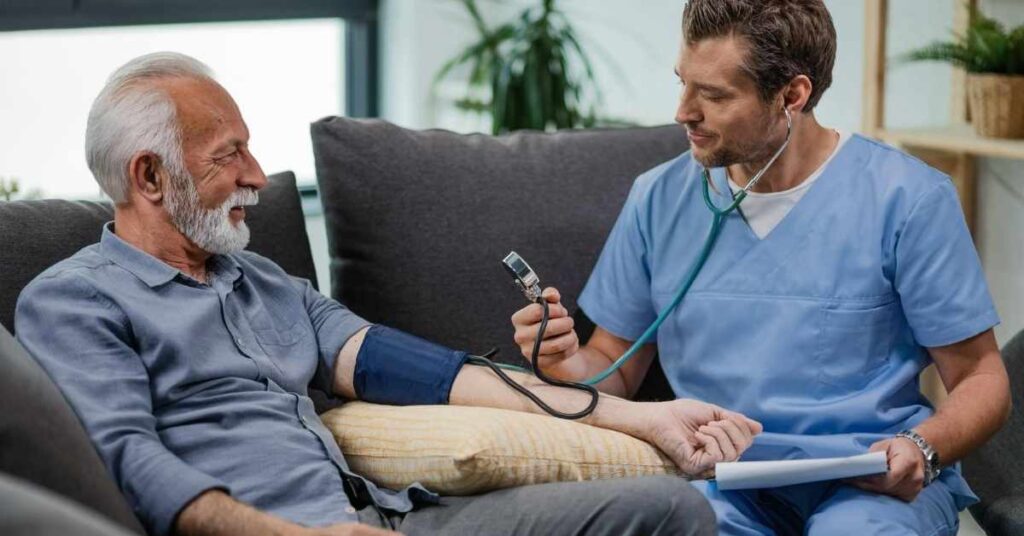
Healthcare in New York is evolving fast, but one of the most meaningful transformations is happening quietly inside people’s homes. Medical monitoring at home is no longer futuristic or rare. It is now a trusted part of recovery, chronic disease management, and senior care. When technology is combined with professional human care, patients receive not just data tracking, but dignity, safety, and emotional stability. For families balancing work, caregiving, and medical stress, understanding how home monitoring truly works can change everything. Is Medical Monitoring at Home Only for Critical Patients? Many people believe that medical monitoring at home is only for patients in extreme conditions. The reality in New York homes is very different. Home monitoring is widely used for people managing diabetes, cardiac conditions, high blood pressure, respiratory disease, post-surgical recovery, and age-related health risks. It is used both for prevention and for treatment. When monitoring begins early, medical emergencies often decrease instead of increase. Can Medical Monitoring at Home Truly Replace Hospital Observation? No home system replaces a hospital in emergencies, but medical monitoring at home replaces the need for unnecessary hospital stays. Vital signs such as heart rate, oxygen levels, blood glucose, temperature, and blood pressure are tracked regularly. Nurses and medical teams review this data and respond when warning signs appear. This allows many New York patients to stay safely at home instead of being repeatedly admitted for observation. Does Medical Monitoring at Home Improve Daily Safety? One of the greatest real-world benefits is early risk detection. When a patient’s oxygen drops, heart rate spikes, or blood sugar becomes unstable, alerts are triggered before the situation becomes dangerous. This prevents silent deterioration, nighttime emergencies, and delayed response. For families who cannot be present at all hours, this protection becomes an invisible safety net running around the clock. Is Medical Monitoring at Home Too Complex for Seniors to Use? Technology fear is common among older adults, but modern monitoring systems are designed for simplicity. Most devices use one-button operation or automated sensors that require no manual input at all. Nurses educate patients step by step, often completing the process for them until the routine becomes comfortable. In practice, many seniors in New York adapt within days because the devices remove anxiety rather than create it. Does Medical Monitoring at Home Support Chronic Disease Control? Chronic illness does not improve through occasional doctor visits alone. It requires daily awareness. Home monitoring creates that awareness without disrupting life. A diabetic patient sees blood sugar trends instead of isolated readings. A heart patient detects fluid retention before breathing distress begins. A respiratory patient monitors oxygen before collapse. These patterns allow doctors to adjust treatment before a crisis occurs, not after damage has already happened. Can Medical Monitoring at Home Reduce Hospital Readmissions? Hospital readmissions are one of the most dangerous and expensive cycles for patients. Many New York readmissions happen not because treatment failed, but because warning signs were missed at home. Monitoring fills that gap. When nurses intervene early, medication adjustments, hydration management, or oxygen support can prevent the hospital trip entirely. This is one of the strongest reasons insurance providers increasingly support home monitoring. Does Medical Monitoring at Home Replace Human Care? Technology never replaces compassion. It strengthens it. Monitoring systems provide data, but nurses provide judgment, reassurance, and emotional calm. Patients do not feel watched by machines. They feel supported by professionals who understand their patterns and respond personally. Families notice the difference when monitoring shifts from cold devices into warm human communication. Is Medical Monitoring at Home Covered by Insurance in New York? Coverage varies by medical condition and insurance plan, but Medicaid, Medicare, and many private insurers in New York support home monitoring when it is medically necessary. Doctor referrals and care plans often unlock this coverage. The largest misconception is that families must pay out of pocket before checking eligibility. In many cases, the cost barrier exists only in assumption, not in reality. Should Families Delay Medical Monitoring at Home Until a Crisis? Delaying monitoring is one of the most common strategic mistakes families make. Once a crisis happens, care becomes reactive and expensive. Monitoring works best when it starts before instability becomes dangerous. Early monitoring protects independence, prevents fear-based decisions, and keeps families out of survival mode. Can Medical Monitoring at Home Truly Balance Technology with Compassion? Yes and this is where its power becomes visible. Technology watches the body. Compassion supports the human mind. Together, they allow patients to heal at home without feeling abandoned, and families to rest without feeling guilty. In New York’s fast-moving world, this balance matters more than ever. Medical monitoring at home is not about machines replacing people. It is about people being protected by early knowledge instead of late reaction. When families understand this model early, they avoid fear-driven decisions later.
Diabetes and Cardiac Management at Home
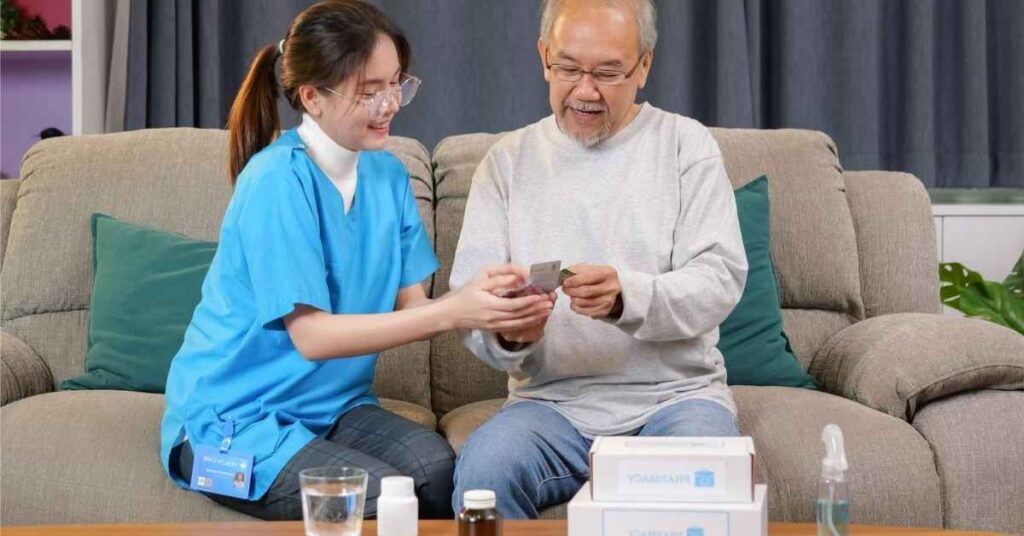
Managing diabetes and heart disease at home is not simply a matter of following a doctor’s instructions. It demands an organized daily routine, careful observation, and dependable support from family or caregivers. When these two chronic conditions exist together, the risks multiply but so do the opportunities to prevent complications through consistent, structured care. Why Should You Take Daily Monitoring Seriously? Daily monitoring is the cornerstone of both diabetes and cardiac stability. Blood sugar levels, heart rate, blood pressure, and energy levels can shift quickly, and early signs are often subtle. Families should treat every reading as a piece of the overall health puzzle. When numbers begin to change gradually higher morning glucose, increased fatigue, or swelling in the legs these shifts often signal issues before symptoms become severe. A simple notebook or digital app may help the family track these trends and share accurate information with healthcare providers. How Should You Manage Medications Consistently? Medication adherence is one of the strongest predictors of long-term stability. Diabetes medications must be taken on time to prevent dangerous glucose highs and lows, while cardiac medications help regulate blood pressure, strengthen the heart, and prevent fluid buildup. Families should establish a medication routine that fits naturally into the person’s daily schedule. Setting reminders, using organized storage, and keeping emergency glucose sources within reach all contribute to safer medication management. Noticing side effects, such as dizziness, swelling, or unusual fatigue, is equally important and should be communicated to the provider immediately. How Can You Build a Heart-Healthy and Diabetes-Friendly Diet at Home? Nutrition plays a vital role in managing both conditions, and small dietary mistakes can trigger sudden health changes. A balanced approach that limits refined sugars, reduces sodium, and emphasizes whole foods often works well for both diabetes and cardiac needs. Families should focus on creating meals that stabilize energy, support circulation, and prevent fluid retention. Planning meals ahead of time, preparing food in appropriate portions, and coordinating mealtimes with medication or insulin schedules help maintain consistent metabolic control. When possible, consulting a dietitian may help personalize the meal plan to the individual’s preferences and medical needs. How Should You Approach Exercise and Movement Safely? Regular movement supports better blood flow, strengthens the heart, improves insulin sensitivity, and enhances overall well-being. However, individuals with diabetes or cardiac conditions should never begin new exercises without guidance. A gentle routine such as short walks, light stretching, or doctor-approved home exercises may be enough to improve health without overwhelming the body. Families should observe how the person responds to activity. If they become unusually short of breath, experience chest tightness, or feel dizzy, the exercise plan must be adjusted immediately. Consistency matters more than intensity in chronic condition management. When Should You Recognize the Early Signs of a Health Emergency? Both diabetes and cardiac conditions can escalate without warning if early symptoms are ignored. Families should trust their instincts when something feels off. Sudden difficulty breathing, rapid weight gain due to fluid retention, chest discomfort, confusion, or extremely abnormal blood sugar readings are all signals that require immediate action. Calling a healthcare provider or emergency service at the right time can prevent severe complications and keep the person safe at home. Quick intervention often makes the difference between a manageable situation and a hospital stay. How Can Home Health Professionals Strengthen Your Care Plan? Professional home health support provides a layer of structure that many families struggle to maintain on their own. A skilled nurse or trained home health aide may help monitor vital signs, guide proper medication routines, offer education about symptoms, and report meaningful changes to physicians. Their presence also relieves family caregivers from constant oversight, reducing stress and preventing burnout. Professional support ensures that the person follows a consistent care plan designed specifically for their diabetes and cardiac needs. How Should You Prepare the Home for Safer Daily Living? A supportive home environment plays a direct role in chronic disease management. Clear walking paths, proper lighting, easy access to medications and medical devices, and organized storage all reduce risk and improve daily function. Temperature control is especially important for individuals who store insulin or cardiac medications at home. Families should also maintain a designated space for monitoring tools, making it easy to complete daily health checks without confusion or delay. A well-prepared home becomes part of the treatment plan, not just a place to rest. Effective diabetes and cardiac management at home requires more than basic care. It requires a thoughtful routine, informed observation, and reliable support. When families follow structured monitoring, maintain healthy habits, and seek help when necessary, individuals can remain stable, independent, and comfortable in their own homes. New York families navigating these challenges can create a safer, healthier future by staying proactive and engaged in daily care.