
When someone you love is getting weaker or sicker, families often try to “do a little more” at home. That can work for a while. But there is a point where basic help is not enough, and a nurse needs to be involved.
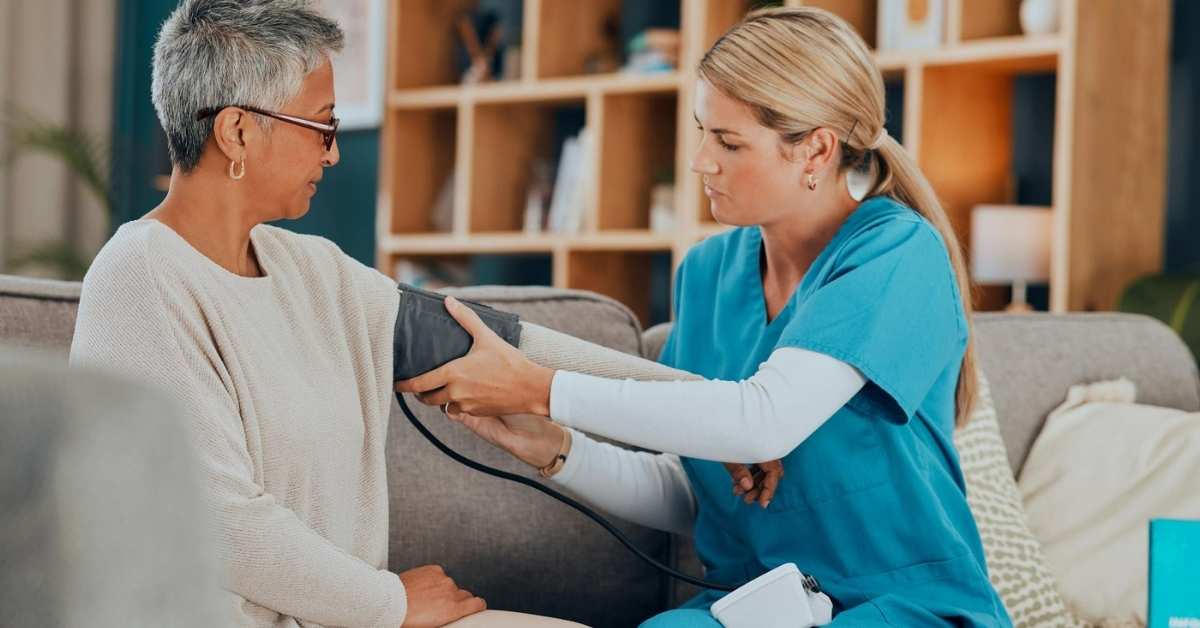
Skilled nursing care means care given by a licensed nurse, like an RN or LPN, under a doctor’s plan. It is medical care, not just help with meals or housekeeping. Skilled nursing can be provided at home through a certified home health agency when care is part-time or “intermittent,” not 24/7.
So how do you know when it is time? Here are seven clear signs.
What is Skilled Nursing Care?
Skilled nursing care is medical care that requires a trained nurse. It often includes things like wound care, injections, IV medications, catheter care, monitoring health changes, and teaching the patient and family how to manage an illness safely.
If your loved one needs daily skilled care after a hospital stay, a Skilled Nursing Facility (SNF) may be recommended. Medicare also has specific rules for SNF coverage, and it requires daily skilled care provided by or under supervision of skilled staff.
Why is This Decision Important?
Waiting too long can lead to falls, infections, medication mistakes, or repeat hospital trips. For older adults, falls alone can be very serious and are a major cause of emergency visits and deaths.
Now let’s get practical.
1. Are Chronic Health Problems Becoming Hard to Manage?
If your loved one has conditions like heart failure, COPD, diabetes, or severe weakness, the daily care can get complicated. When symptoms keep changing, families often struggle to know what is normal and what is dangerous.
Skilled nursing care can help by checking for warning signs early, tracking symptoms, and coordinating with the doctor so problems do not spiral.
2. Are Hospital or ER Visits Becoming Frequent?
If your loved one is going back to the hospital often, that is not “bad luck.” It usually means the care plan at home is not strong enough yet.
After a hospital stay, some people need close follow-up, skilled observation, and help managing treatments to avoid going right back. Skilled nursing support is often part of the step-down plan after hospitalization, either at home (when appropriate) or in a SNF (when daily skilled care is needed).
3. Is Around-the-Clock Monitoring Starting to Feel Necessary?
This is a big turning point. If you are worried about breathing problems at night, sudden confusion, unsafe wandering, or a fast medical decline, it may feel like someone has to be “on alert” all the time.
Home health skilled nursing under Medicare is not meant to be 24-hour care, and Medicare is clear that it does not pay for 24-hour-a-day care at home. When true 24/7 monitoring is needed, families should talk with the doctor about the safest care setting, which may include a facility that provides 24-hour nursing care.
4. Are Everyday Activities Becoming Unsafe?
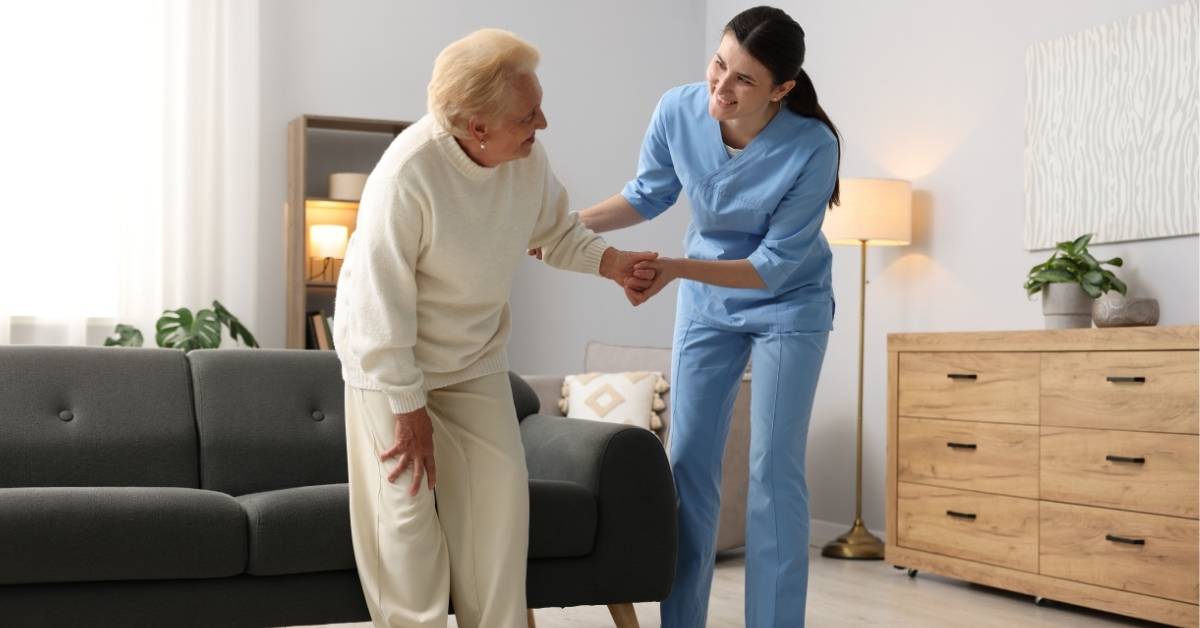
If getting out of bed, walking to the bathroom, bathing, or transferring from a chair is becoming risky, injuries can happen fast. One fall can change everything.
This matters because falls are common and can cause head injuries and broken bones, and older adults should be checked after a head impact. Skilled nursing can work alongside therapy and the care team to reduce risk and improve safety planning.
5. Are Medications Being Missed, Mixed Up, or Refused?
Medication problems are one of the most common hidden reasons families end up in the ER. The warning signs are easy to miss at first, like pills left in organizers, confusion about doses, or doubling up “by accident.”
Transitions home after a hospital stay can be a high-risk time for medication problems in older adults.
A nurse can do medication reconciliation, monitor side effects, and teach a simple routine that is actually workable.
6. Is Memory Loss Creating Serious Safety Risks?
Forgetfulness alone is not the full story. The real issue is safety. If your loved one wanders, forgets where they are, leaves the stove on, falls for scams, or cannot manage toileting and hygiene safely, the risk level has changed.
The Alzheimer’s Association notes that wandering is common in dementia and can be dangerous, even life-threatening. Skilled nursing care can support medical needs, while the family and care team decide what setting can keep the person safest.
7. Is Caregiver Burnout Starting to Show Up?
This is the sign families try to hide. If caregiving is causing sleep loss, depression, constant stress, missed work, or relationship strain, that is not a personal failure. It is a signal that the care needs are beyond what one person can safely carry.
The National Institute on Aging explains that caregivers can face higher risks of stress-related health problems and sleep issues, and they need support and self-care too.
When the caregiver breaks down, the whole care plan breaks down. Skilled support protects everyone.
What Should You Do Next?
Start with a medical conversation, not a family argument. Ask the doctor directly: “Does my loved one need skilled nursing services right now?” If the answer is yes, request an evaluation.
If home-based skilled nursing is appropriate, a Medicare-certified home health agency can provide intermittent skilled nursing under a care plan. If daily skilled care and constant supervision are required, ask about SNF-level care and what the next safest step should be.
If your loved one is getting weaker, going to the ER often, struggling with medications, or becoming unsafe at home, skilled nursing care may be the missing piece. The earlier you bring in the right medical support, the more options you have. Talk with the doctor, request an evaluation, and choose the safest level of care for today, not the one you wish was enough.