

Hospital readmissions often happen within the first 30 days after discharge, when patients are adjusting to new medications, care routines, and physical limits. Many of these readmissions are preventable when the transition from hospital to home is managed properly. If your goal is to Reduce Hospital Readmissions, the following five steps focus only on what truly matters.
1. A Clear Discharge Plan
A clear discharge plan ensures the patient and family understand what to do at home. This includes knowing the diagnosis in simple terms, understanding new medications, and recognizing warning signs that require medical attention. When instructions are confusing or rushed, small issues often turn into emergencies. Reviewing the discharge plan carefully before leaving the hospital reduces this risk.
2. Early Follow-Up
Delays in follow-up appointments leave patients without guidance during the most vulnerable period of recovery. Seeing a primary care provider or specialist within one to two weeks helps catch complications early. Home health visits or follow-up calls during the first few days after discharge also help prevent problems from escalating.
3. Medication Management
Medication errors are a common reason patients return to the hospital. Changes made during hospitalization can be confusing, especially when old and new prescriptions overlap. Reviewing medications at home, confirming correct doses, and taking them on schedule reduces side effects and complications. Home health nurses often identify medication issues early and communicate with physicians to correct them.
4. Home Health Monitoring
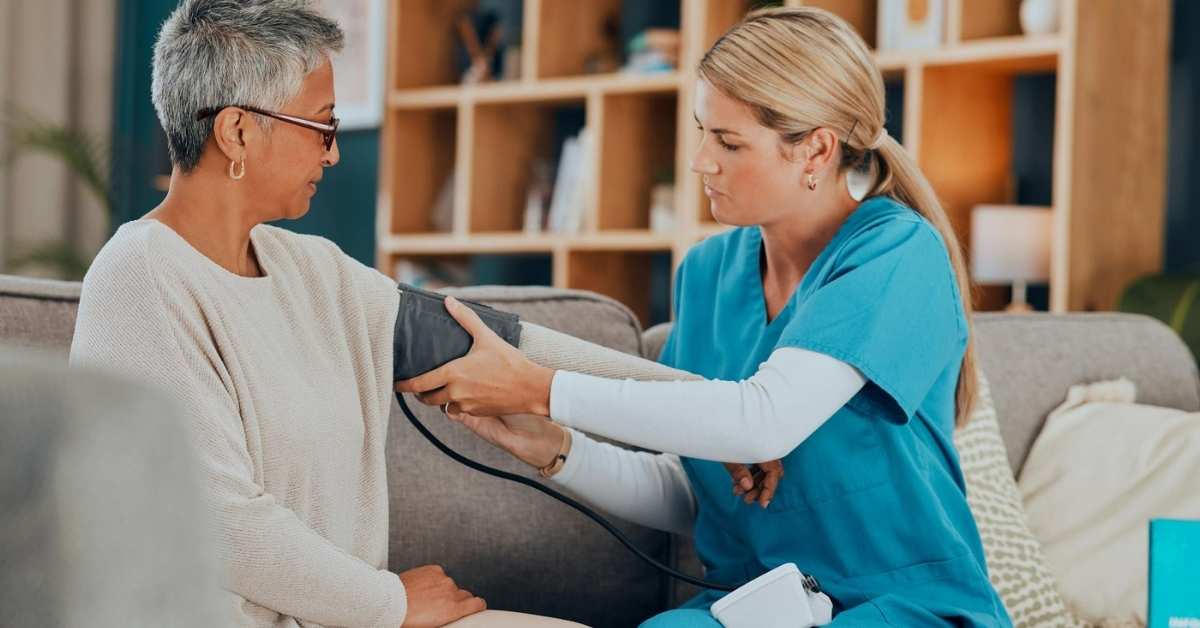
Home health care provides skilled monitoring in the patient’s own environment. Nurses watch for early signs of infection, breathing difficulty, fluid buildup, or wound complications. Addressing these concerns quickly often prevents emergency room visits. Regular assessments during recovery help keep care on track and support safe healing at home.
5. Home Safety And Daily Support
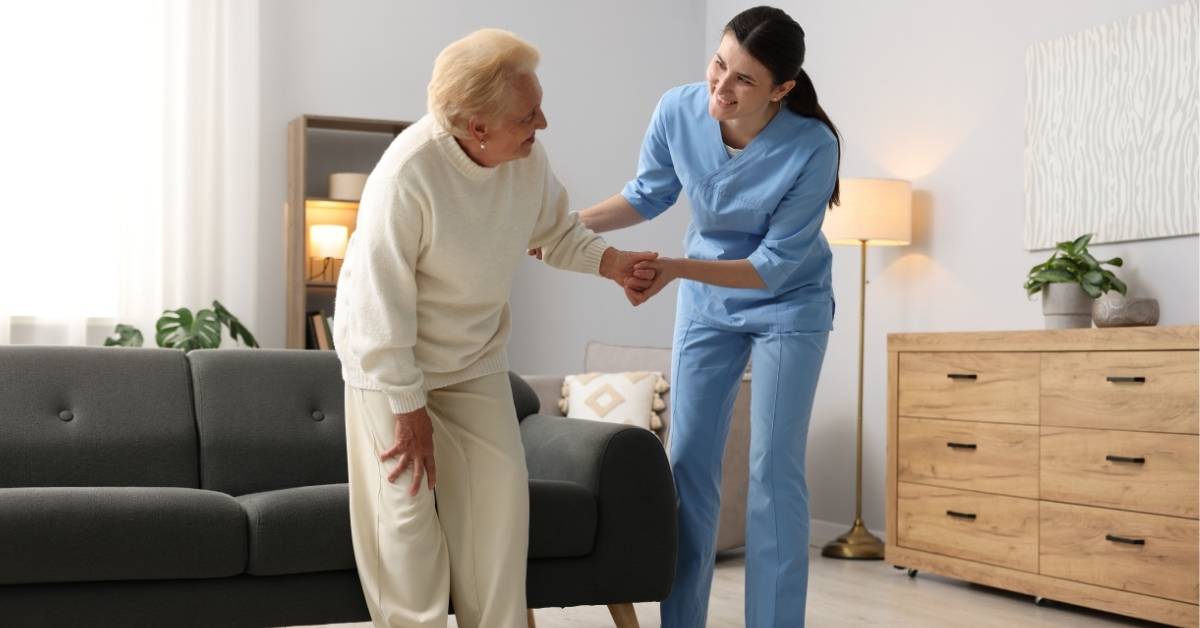
Falls, poor nutrition, and lack of daily support frequently lead to avoidable readmissions. A safe home environment, help with daily activities, and proper nutrition support reduce physical stress during recovery. When patients feel supported and safe at home, they are less likely to experience setbacks that require hospitalization.
How Can Home Health Care Help Reduce Hospital Readmissions?
Home health care plays a critical role in bridging the gap between hospital and home. By supporting follow-up care, medication management, symptom monitoring, and daily safety, home health services help patients recover safely and confidently. These focused steps are often enough to Reduce Hospital Readmissions and improve long-term health outcomes for New York patients and families.