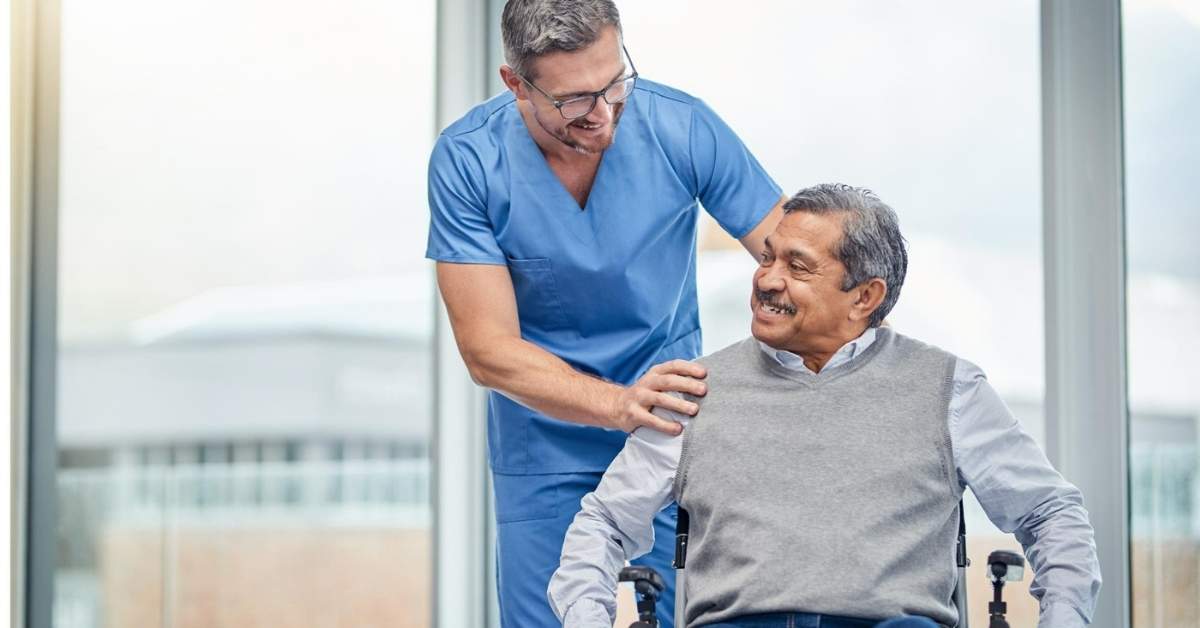

Living with Parkinson’s disease or recovering from a stroke is not a short-term challenge. It is a daily process that requires consistency, patience, and the right support system. Parkinson’s & Stroke Recovery at Home allows New York residents to rebuild strength, balance, and confidence in a familiar environment while receiving structured care designed for real-life needs.
Home-based recovery is not about doing less. It is about doing the right things, every day, where progress matters most.
Why Is Parkinson’s & Stroke Recovery at Home Important for Daily Progress?
Hospital and rehab centers provide critical early treatment, but long-term recovery happens at home. Parkinson’s & Stroke Recovery at Home ensures that exercises, safety routines, and care strategies continue consistently instead of stopping after discharge.
Daily repetition in a home setting strengthens muscle memory, improves coordination, and reduces anxiety. Patients often feel more motivated when recovery happens in their own living space rather than a clinical environment.
How Can Mobility Be Improved Through Parkinson’s & Stroke Recovery at Home?
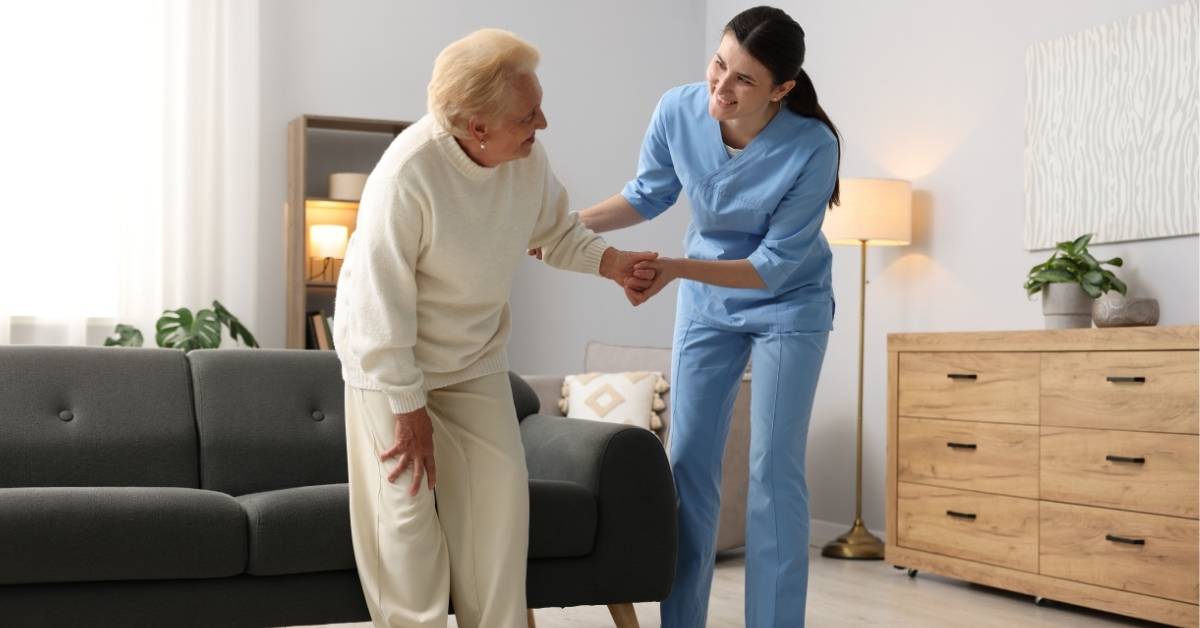
Mobility challenges are common after stroke and as Parkinson’s progresses. Parkinson’s & Stroke Recovery at Home focuses on safe movement techniques tailored to the home layout. Caregivers help patients practice walking, standing, turning, and transferring using furniture and pathways they use every day.
This practical approach lowers fall risk and builds functional strength. Over time, even small daily improvements add up to meaningful independence.
How Can Daily Exercises Support Parkinson’s & Stroke Recovery at Home?
Recovery exercises work best when they are simple, consistent, and supervised. Parkinson’s & Stroke Recovery at Home integrates gentle strength training, balance exercises, and flexibility routines into daily schedules.
Instead of overwhelming sessions, patients practice short, repeated movements throughout the day. This method reduces fatigue while improving muscle control and endurance, especially for tremors, stiffness, and weakness.
Why Is Skilled Nursing Valuable in Parkinson’s & Stroke Recovery at Home?
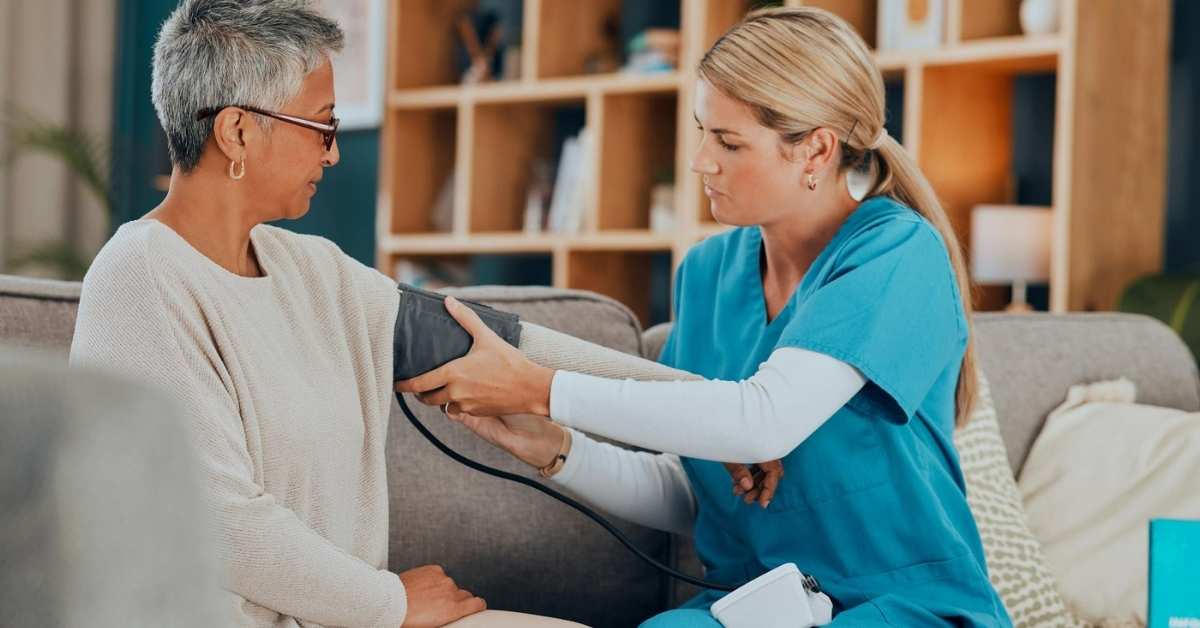
Medical needs do not disappear after leaving the hospital. Parkinson’s & Stroke Recovery at Home often includes skilled nursing support to manage medications, monitor blood pressure, assess neurological changes, and watch for complications.
Skilled nurses also educate families on symptom changes, medication timing, and warning signs that require medical attention. This oversight protects progress and prevents avoidable setbacks.
How Can Speech and Swallowing Improve With Parkinson’s & Stroke Recovery at Home?
Speech and swallowing difficulties affect many Parkinson’s and stroke patients. Parkinson’s & Stroke Recovery at Home supports daily communication practice and safe eating routines recommended by therapists.
Caregivers reinforce speech exercises, encourage slow and clear communication, and help maintain proper posture during meals. These daily habits improve confidence and reduce risks such as choking or malnutrition.
How Can Daily Routines Be Structured Through Parkinson’s & Stroke Recovery at Home?
Recovery depends heavily on routine. Parkinson’s & Stroke Recovery at Home creates predictable schedules for waking, medication, meals, exercise, and rest. Structure reduces confusion, improves sleep quality, and stabilizes energy levels.
Clear routines also help caregivers identify changes quickly, making it easier to adjust care plans before problems escalate.
Why Can Emotional Support Matter in Parkinson’s & Stroke Recovery at Home?
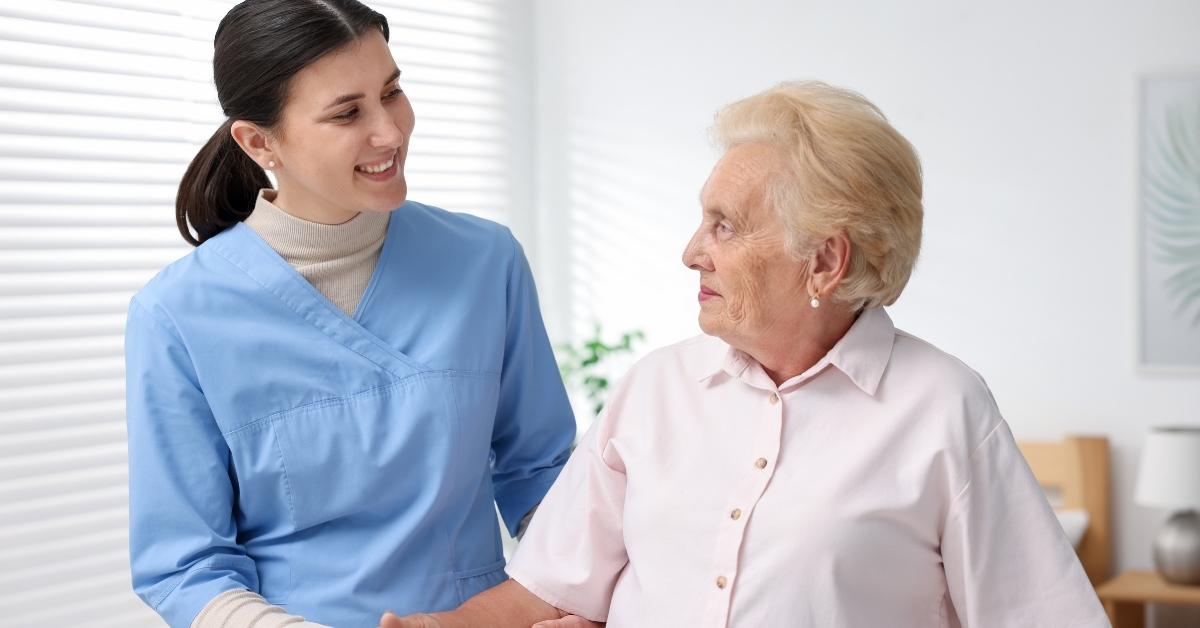
Emotional health directly affects physical recovery. Parkinson’s & Stroke Recovery at Home provides companionship, encouragement, and reassurance during a challenging phase of life. Feeling supported reduces depression, anxiety, and frustration.
Positive emotional engagement improves motivation, which is essential for maintaining daily recovery activities over the long term.
How Can Families Be Supported Through Parkinson’s & Stroke Recovery at Home?
Family members often carry the emotional and physical burden of care. Parkinson’s & Stroke Recovery at Home shares that responsibility with trained professionals. Families receive guidance, respite, and clear communication about progress and expectations.
This partnership prevents caregiver burnout while ensuring patients receive consistent, high-quality support.
How Can New York Residents Start Parkinson’s & Stroke Recovery at Home?
Starting Parkinson’s & Stroke Recovery at Home usually begins with a medical referral or post-hospital discharge plan. Services are tailored to individual needs, mobility levels, and health conditions. Many New York residents may qualify for home health services through insurance or state-supported programs.
Early enrollment leads to better outcomes by maintaining momentum during the most critical recovery period.
Why Should Daily Recovery Not Be Delayed at Home?
Delaying structured support often results in muscle loss, increased fall risk, and emotional decline. Parkinson’s & Stroke Recovery at Home prioritizes daily action over waiting for problems to appear. Recovery is not linear, but consistency makes progress sustainable.
Parkinson’s & Stroke Recovery at Home empowers New York patients to regain strength, protect independence, and rebuild confidence one day at a time. With skilled care, daily routines, and emotional support delivered at home, recovery becomes practical, personal, and achievable.