Medical Monitoring at Home: Technology Meets Compassion
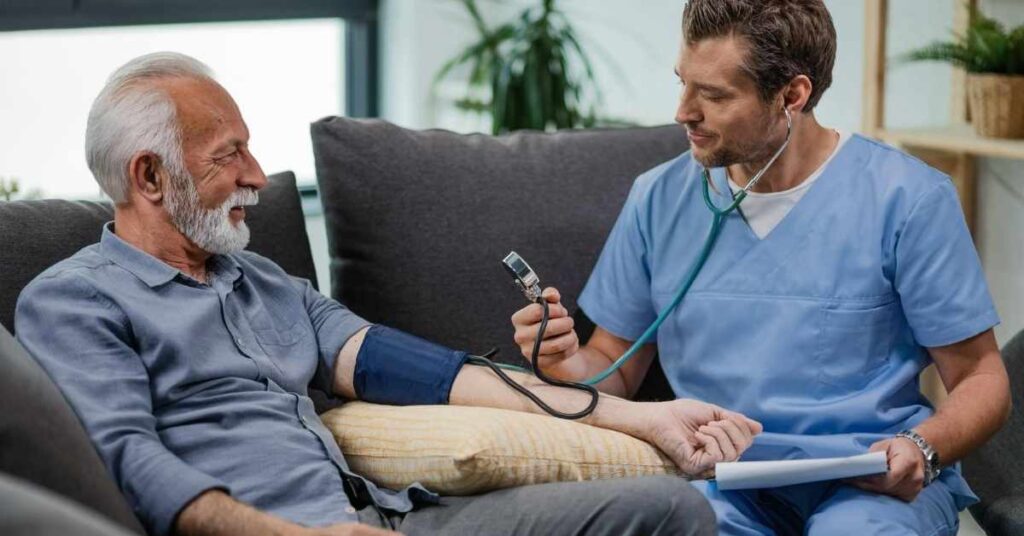
Healthcare in New York is evolving fast, but one of the most meaningful transformations is happening quietly inside people’s homes. Medical monitoring at home is no longer futuristic or rare. It is now a trusted part of recovery, chronic disease management, and senior care. When technology is combined with professional human care, patients receive not just data tracking, but dignity, safety, and emotional stability. For families balancing work, caregiving, and medical stress, understanding how home monitoring truly works can change everything. Is Medical Monitoring at Home Only for Critical Patients? Many people believe that medical monitoring at home is only for patients in extreme conditions. The reality in New York homes is very different. Home monitoring is widely used for people managing diabetes, cardiac conditions, high blood pressure, respiratory disease, post-surgical recovery, and age-related health risks. It is used both for prevention and for treatment. When monitoring begins early, medical emergencies often decrease instead of increase. Can Medical Monitoring at Home Truly Replace Hospital Observation? No home system replaces a hospital in emergencies, but medical monitoring at home replaces the need for unnecessary hospital stays. Vital signs such as heart rate, oxygen levels, blood glucose, temperature, and blood pressure are tracked regularly. Nurses and medical teams review this data and respond when warning signs appear. This allows many New York patients to stay safely at home instead of being repeatedly admitted for observation. Does Medical Monitoring at Home Improve Daily Safety? One of the greatest real-world benefits is early risk detection. When a patient’s oxygen drops, heart rate spikes, or blood sugar becomes unstable, alerts are triggered before the situation becomes dangerous. This prevents silent deterioration, nighttime emergencies, and delayed response. For families who cannot be present at all hours, this protection becomes an invisible safety net running around the clock. Is Medical Monitoring at Home Too Complex for Seniors to Use? Technology fear is common among older adults, but modern monitoring systems are designed for simplicity. Most devices use one-button operation or automated sensors that require no manual input at all. Nurses educate patients step by step, often completing the process for them until the routine becomes comfortable. In practice, many seniors in New York adapt within days because the devices remove anxiety rather than create it. Does Medical Monitoring at Home Support Chronic Disease Control? Chronic illness does not improve through occasional doctor visits alone. It requires daily awareness. Home monitoring creates that awareness without disrupting life. A diabetic patient sees blood sugar trends instead of isolated readings. A heart patient detects fluid retention before breathing distress begins. A respiratory patient monitors oxygen before collapse. These patterns allow doctors to adjust treatment before a crisis occurs, not after damage has already happened. Can Medical Monitoring at Home Reduce Hospital Readmissions? Hospital readmissions are one of the most dangerous and expensive cycles for patients. Many New York readmissions happen not because treatment failed, but because warning signs were missed at home. Monitoring fills that gap. When nurses intervene early, medication adjustments, hydration management, or oxygen support can prevent the hospital trip entirely. This is one of the strongest reasons insurance providers increasingly support home monitoring. Does Medical Monitoring at Home Replace Human Care? Technology never replaces compassion. It strengthens it. Monitoring systems provide data, but nurses provide judgment, reassurance, and emotional calm. Patients do not feel watched by machines. They feel supported by professionals who understand their patterns and respond personally. Families notice the difference when monitoring shifts from cold devices into warm human communication. Is Medical Monitoring at Home Covered by Insurance in New York? Coverage varies by medical condition and insurance plan, but Medicaid, Medicare, and many private insurers in New York support home monitoring when it is medically necessary. Doctor referrals and care plans often unlock this coverage. The largest misconception is that families must pay out of pocket before checking eligibility. In many cases, the cost barrier exists only in assumption, not in reality. Should Families Delay Medical Monitoring at Home Until a Crisis? Delaying monitoring is one of the most common strategic mistakes families make. Once a crisis happens, care becomes reactive and expensive. Monitoring works best when it starts before instability becomes dangerous. Early monitoring protects independence, prevents fear-based decisions, and keeps families out of survival mode. Can Medical Monitoring at Home Truly Balance Technology with Compassion? Yes and this is where its power becomes visible. Technology watches the body. Compassion supports the human mind. Together, they allow patients to heal at home without feeling abandoned, and families to rest without feeling guilty. In New York’s fast-moving world, this balance matters more than ever. Medical monitoring at home is not about machines replacing people. It is about people being protected by early knowledge instead of late reaction. When families understand this model early, they avoid fear-driven decisions later.