Skilled Nursing Care at Home: Who Needs it and What’s Included?
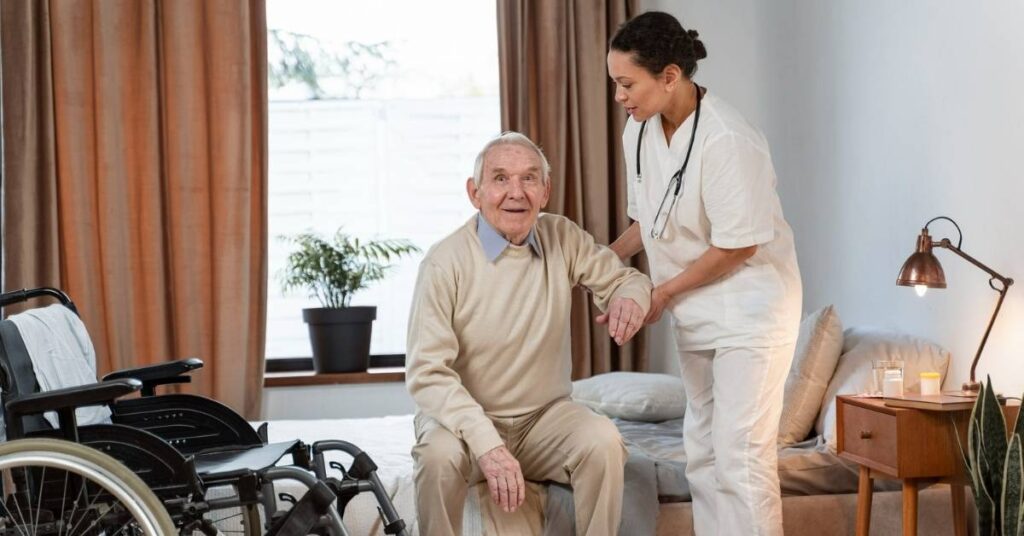
Skilled nursing care at home means licensed medical professionals usually Registered Nurses (RNs) or Licensed Practical Nurses (LPNs) bring advanced healthcare directly to a patient’s residence. It’s not simple assistance with bathing or cooking; it’s clinical care performed under a doctor’s order for patients needing continuous medical supervision, recovery support, or chronic disease management. This type of care bridges hospital and home life. It allows patients to receive hospital-level monitoring, procedures, and education in a familiar, comfortable setting often reducing stress and hospital readmissions. Why Choose Skilled Nursing at Home Instead of a Facility Many families in New York prefer in-home nursing care because it offers personalized attention and emotional stability that institutional settings often lack. For older adults or recovering patients, being at home supports faster healing, familiar routines, and stronger family involvement. In skilled nursing facilities, one nurse may oversee many patients. At home, a nurse focuses on one individual, following the care plan closely and detecting small changes before they become complications. Who Actually Needs Skilled Nursing Care at Home? 1. Post-Hospital and Post-Surgical Patients After a surgery, injury, or hospitalization, patients often need wound dressing, IV medications, or catheter care. A skilled nurse manages these procedures safely at home while coordinating updates with the physician. 2. Seniors with Complex Health Conditions Older adults managing heart disease, COPD, diabetes, or arthritis often benefit from skilled nursing care at home. The nurse monitors vitals, adjusts medications, and helps prevent emergency visits through early detection of symptoms. 3. People Living with Chronic or Degenerative Illnesses Patients with Parkinson’s, Alzheimer’s, or neurological disorders often require ongoing observation. A nurse ensures treatment compliance and comfort while educating family caregivers on safe routines. 4. Individuals Needing Specialized Medical Procedures Some people rely on medical devices or interventions such as feeding tubes, injections, or ostomy care that must be handled by licensed professionals. Skilled nurses manage these safely and hygienically within the home environment. 5. Patients Recovering from Serious Injury or Stroke Stroke survivors or trauma patients may need medication, muscle monitoring, or coordination with physical therapists. Skilled nursing care at home provides continuity between medical rehabilitation and daily living. What’s Included in Skilled Nursing Care at Home The exact services depend on the physician’s plan of care, but typically include: Wound Care: Dressing changes, infection checks, and healing assessments. IV Therapy and Injections: Administration of intravenous fluids, antibiotics, or pain medication. Catheter and Ostomy Care: Safe hygiene practices and equipment management. Medication Management: Preparing, timing, and educating patients on their prescriptions. Vital Signs and Medical Monitoring: Continuous assessment of blood pressure, heart rate, oxygen, and glucose levels. Chronic Disease Management: Daily observation for patients with cardiac, diabetic, or respiratory issues. Rehabilitation Support: Coordination with physical, occupational, or speech therapists for recovery. Patient and Family Education: Guidance on self-care, symptom tracking, and safety practices. Coordination with Physicians: Regular updates to doctors about patient progress and care adjustments. Unlike unlicensed aides, skilled nurses perform these services with clinical precision and are trained to identify subtle health changes requiring medical attention. How Skilled Nursing Care at Home Works in New York The process typically starts with a physician’s order for home health services. Once approved, a licensed agency assigns a registered nurse who performs an initial assessment at the patient’s home. During this visit, the nurse reviews medical history, medications, and daily routines to create a personalized plan of care. This plan may include scheduled visits several times a week, 24-hour supervision in critical cases, or short-term rehabilitation monitoring. All skilled nurses in New York must hold valid state licenses and follow the standards set by the New York State Department of Health. Many also coordinate closely with local hospitals or clinics to maintain continuity of care after discharge. For urban families, telehealth and remote monitoring are increasingly common. Nurses can use connected devices to track vitals or wound healing and send real-time updates to physicians combining human expertise with modern technology. Benefits Beyond Medical Treatment Skilled nursing care at home is not only about procedures; it also enhances mental and emotional well-being. Patients heal faster when surrounded by loved ones. Familiar surroundings reduce confusion in dementia or Alzheimer’s cases. Families also gain peace of mind knowing that a licensed nurse is observing their loved one regularly. For seniors who prefer independence, this approach preserves dignity while ensuring safety. At a system level, skilled home nursing reduces hospital overcrowding and healthcare costs while maintaining or even improving patient outcomes. Safety and Quality Standards in New York Home health agencies in New York are regulated by the New York State Department of Health. Nurses must maintain updated credentials, follow infection-control policies, and document every procedure. When choosing a provider, families should verify: Strong documentation and communication are part of skilled nursing’s foundation ensuring accountability and safety at every visit. The Future of Skilled Nursing Care at Home Healthcare in 2025 is increasingly home-based. With telemonitoring, wearable health devices, and AI-assisted care planning, skilled nursing is evolving beyond traditional bedside visits. Modern nurses in New York use digital records, remote sensors, and health analytics to track recovery trends and alert doctors instantly when changes occur. This integration of technology and compassion creates a more responsive, safer care model for patients at home. Skilled nursing care at home combines medical precision with personal comfort. It serves patients who require licensed clinical attention but prefer to recover or manage health conditions in their own homes. From post-surgical recovery to chronic disease management, it ensures continuity, dignity, and professional oversight right where healing feels most natural.